In the world of online shopping, your product images are the frontline ambassadors of your brand. Good photography can elevate a simple item to an irresistible purchase, while poor photography can make even the most desirable product seem unappealing.
Fortunately, creating professional-quality images doesn’t require a studio or an expensive photographer. With some ingenuity and a few tools you might already have, you can produce stunning, sales-driving photographs right from the comfort of your home. Here’s how to master the art of DIY eCommerce photography with the use of tools like ProductScope.
Your Camera
The first step in DIY product photography is understanding the equipment you’re working with—your camera. Whether you’re using a DSLR, a mirrorless camera, or a smartphone, getting familiar with its features is crucial. Most modern cameras and smartphones offer a range of settings that can influence the quality of your photos, such as ISO, aperture, and shutter speed.
Take the time to learn what each setting does and how it affects your images. Experiment with different configurations to see what works best for your products. Remember, the goal is to use your camera to its fullest potential to create clear, detailed images that truly represent your products.
Lighting: Make It Shine
Source: blog.daisie.com
Lighting is arguably the most important element in photography. Proper lighting ensures that your product is clearly seen, with accurate colors and sufficient detail. Natural light is a great resource for photography—soft, diffusive, and flattering. Try setting up your photography area near a large window where plenty of natural light floods in, but avoid direct sunlight as it can create harsh shadows and highlights.
If natural light isn’t consistent enough for your needs, consider investing in some affordable studio lights, like softboxes or LED panels. These lighting solutions help mimic daylight and provide a steady, controlled light source. Setting up two light sources on either side of the product can help eliminate shadows and provide even lighting, making your products look their best.
The Perfect Setup
Creating a dedicated space for photography can significantly streamline your process. This doesn’t need to be large or elaborate—a corner of a room or a section of your office can serve well. Key elements include a table to place your products on and a backdrop. A clean, uncluttered backdrop is essential to ensure your product stands out.
You can use a white seamless paper or purchase professional backdrops in different colors for variety. Make sure the backdrop curves smoothly from the vertical to the horizontal plane to create an infinite background look, which eliminates corners and focuses the viewer’s attention on the product.
Stabilize with a Tripod
Source: ikancorp.com
A tripod is a simple tool that can greatly improve the professionalism of your photos. By stabilizing the camera, a tripod prevents blurring caused by hand movements and allows for sharper images, especially in low-light conditions where slower shutter speeds are necessary. Moreover, a tripod lets you keep the framing consistent across multiple product shots, which is key for maintaining a uniform look in your online store.
Public parks offer a natural escape from the hustle and bustle of city life. However, some parks are so vast that navigating them without a compass can be challenging.
Let’s explore some of the largest public parks in the world, where getting lost is a real possibility—unless you’re prepared! If you’re seeking a destination that’s not just about nature but also offers an abundance of fun and excitement, consider a visit to https://www.centralparkfun-land.com/.
1. Northeast Greenland National Park, Greenland
Source: visitgreenland.com
Northeast Greenland National Park holds the title of the largest national park in the world, covering an astonishing area of 972,000 square kilometers. This park is so massive that it surpasses the combined size of many countries!
It’s a remote and desolate wilderness, home to polar bears, musk oxen, and Arctic foxes. The landscape is dominated by glaciers, fjords, and vast ice fields.
2. Papua Rainforest, Papua New Guinea
Source: pulitzercenter.org
The Papua Rainforest is one of the most extensive and unexplored rainforests in the world, covering an estimated 288,000 square kilometers. This dense tropical rainforest is located on the island of New Guinea and is shared between Papua New Guinea and Indonesia.
The region is home to a diverse array of flora and fauna, including many species found nowhere else on Earth.
3. Wrangell-St. Elias National Park and Preserve, USA
Source: peakvisor.com
Wrangell-St. Elias National Park and Preserve in Alaska is the largest national park in the United States, covering approximately 53,321 square kilometers. The park features a stunning array of landscapes, from coastal mountains to glaciers and volcanoes.
The park’s rugged terrain includes nine of the 16 highest peaks in the United States, making it a haven for mountaineers and adventure seekers.
4. Namib-Naukluft National Park, Namibia
Source: geologyscience.com
Namib-Naukluft National Park, located in western Namibia, is one of the largest national parks in Africa, covering an area of approximately 49,768 square kilometers.
The park is known for its stunning desert landscapes, including the towering sand dunes of Sossusvlei and the rugged Naukluft Mountains. The Namib Desert, which forms part of the park, is one of the oldest and driest deserts in the world.
5. Wood Buffalo National Park, Canada
Source: peakvisor.com
Wood Buffalo National Park, located in Alberta and the Northwest Territories of Canada, spans over 44,807 square kilometers. Established in 1922, it’s one of the largest national parks in the world and a UNESCO World Heritage Site.
The park is named after the wood bison, a subspecies of the American bison, which is found in the park.
6. Kafue National Park, Zambia
Source: britannica.com
Kafue National Park, located in central Zambia, is one of the largest national parks in Africa, covering an area of about 22,400 square kilometers.
The park is named after the Kafue River, which flows through it, creating a diverse landscape of wetlands, grasslands, and woodlands. Kafue is known for its rich wildlife, including elephants, lions, leopards, and various antelope species.
Read More: For those planning a trip to the Baltic region, don’t miss our guide on the tourist attractions you must visit in the Baltic States.
Concluding Thoughts
These vast public parks offer unparalleled opportunities for adventure and exploration. However, their sheer size and remote locations mean that visitors must be well-prepared.
A compass, along with detailed maps and other navigation tools, is essential for safely exploring these natural wonders.
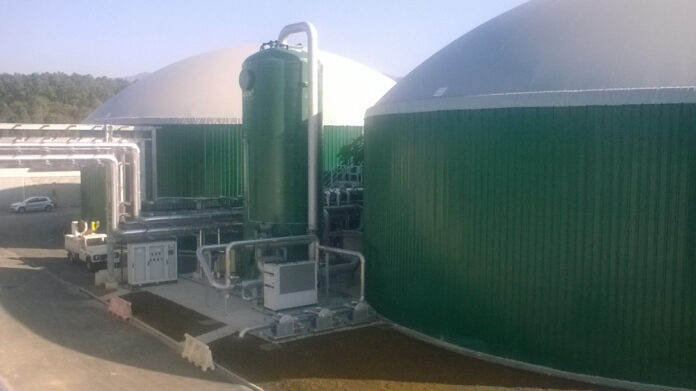
Biogas applications are becoming increasingly popular as a sustainable and eco-friendly energy source. The process involves the breakdown of organic matter, such as agricultural waste, manure, municipal waste, plant material, sewage, and food waste, in the absence of oxygen.
One crucial component in optimizing the biogas production process is the use of oxygen generators. These generators ensure the efficient operation of the anaerobic digestion process, leading to increased biogas yield and improved overall performance.
Oxygen generators for biogas applications are specialized devices designed to provide a continuous supply to the anaerobic digesters. Selecting the appropriate oxygen generator is critical to maximize the efficiency and productivity of your biogas system. This article will guide you through the essential factors to consider when choosing an oxygen generator for your biogas applications, ensuring you make an informed decision that meets your specific needs.
Understanding Your Requirements
1. Assess the Volume of Biogas Production
Source: ahidra.com
The first step in selecting an oxygen generator is understanding the volume of biogas your system produces. This information is vital because it determines the amount of oxygen required to optimize the anaerobic digestion process. Larger biogas production facilities will need more substantial oxygen supply systems, while smaller operations can make do with less powerful generators.
2. Calculate the Demand
Once you know the volume of biogas produced, calculate the oxygen demand for your system. The oxygen demand will vary depending on the type of organic matter being processed and the specific conditions within your anaerobic digester. Consulting with a biogas expert can provide you with accurate calculations and recommendations for your oxygen needs.
Types
1. Pressure Swing dsorption (PSA)
Source: thomasnet.com
Pressure Swing Adsorption (PSA) generators are popular in biogas applications due to their efficiency and reliability. These generators work by separating oxygen from the other gases in the air through a process of adsorption. PSA generators are known for their high purity levels, typically producing oxygen with a concentration of 90-95%. They are suitable for both small and large-scale biogas production facilities.
2. Vacuum Pressure Swing Adsorption (VPSA)
Vacuum Pressure Swing Adsorption (VPSA) generators are similar to PSA generators but operate under vacuum pressure conditions. This method enhances the adsorption process, leading to even higher oxygen purity levels. VPSA generators are ideal for large-scale biogas operations that require a continuous and high-volume oxygen supply.
3. Membrane
Membrane oxygen generators use semi-permeable membranes to separate oxygen from the other gases in the air. These generators are compact, energy-efficient, and have lower operational costs compared to PSA and VPSA systems. However, they typically produce oxygen with a lower concentration (around 40%). Membrane generators are suitable for smaller biogas production facilities or applications where high oxygen purity is not critical.
Evaluating Efficiency and Performance
1. Purity Levels
Oxygen purity is a crucial factor in determining the efficiency of your biogas production process. Higher purity levels ensure that the anaerobic digesters operate at optimal conditions, leading to increased biogas yield. Consider the specific purity requirements of your biogas system and choose one that meets or exceeds these standards.
2. Energy Consumption
Efficient ones consume less energy, reducing operational costs and minimizing the environmental impact of your biogas production facility. Compare the energy consumption rates of different generator models and choose one that offers the best balance between performance and energy efficiency.
3. Maintenance Requirements
Regular maintenance is essential to keep it running smoothly and efficiently. Evaluate the maintenance requirements of different models, including the frequency of servicing, availability of spare parts, and ease of maintenance procedures. Choosing one with minimal maintenance needs can save you time and money in the long run.
Cost Considerations
1. Initial Investment
The initial cost of purchasing can vary significantly depending on the type, size, and brand. While it may be tempting to opt for the cheapest option, consider the long-term benefits and potential savings associated with more efficient and reliable generators. Investing in a high-quality generator can result in lower operational costs and improved biogas production efficiency.
2. Operating Costs
Operating costs include energy consumption, maintenance, and any additional expenses related to the generator’s operation. Calculate the total cost of ownership over the lifespan to get a clear picture of its economic impact. Choose a generator that offers a good balance between initial investment and ongoing operating costs.
3. Return on Investment (ROI)
Evaluate the potential return on investment (ROI) when selecting an oxygen generator. Higher biogas yield and improved efficiency can lead to increased revenue from biogas sales or reduced energy costs for your facility. Consider the payback period and long-term financial benefits of your investment in an oxygen generator.
Environmental Impact
1. Energy Efficiency
Energy-efficient oxygen generators contribute to a reduced carbon footprint by consuming less electricity. This not only lowers operational costs but also aligns with sustainability goals. Opt for generators with high energy efficiency ratings to minimize the environmental impact of your biogas production facility.
2. Emissions and Waste Management
Consider the environmental impact of the generator’s emissions and waste management practices. Choose one that comply with environmental regulations and standards, ensuring that your biogas facility operates sustainably and responsibly.
Choosing the Right Supplier
1. Reputation and Experience
Source:facebook.com
Select a supplier with a strong reputation and extensive experience in providing oxygen generators for biogas applications. A reputable supplier will offer high-quality products, reliable customer support, and valuable industry expertise to help you make the best choice for your needs.
2. Customer Support and Service
Reliable customer support and service are essential when purchasing an oxygen generator. Ensure that the supplier offers comprehensive support, including installation, maintenance, and troubleshooting services. Good customer service can make a significant difference in the long-term performance and reliability of your oxygen generator.
3. Warranty and After-Sales Service
Check the warranty and after-sales service options provided by the supplier. A robust warranty and reliable after-sales service can provide peace of mind and protect your investment in case of any issues or defects with the generator.
Conclusion
Choosing the right generator for biogas applications involves careful consideration of various factors, including oxygen requirements, generator types, efficiency, cost, environmental impact, and supplier reliability. By thoroughly evaluating these aspects, you can make an informed decision that optimizes the performance and efficiency of your biogas production facility. Oxygen generators for biogas are a crucial component in enhancing the anaerobic digestion process, leading to increased biogas yield and improved overall productivity. Ensure that you select a generator that meets your specific needs and contributes to the sustainable and efficient operation of your biogas system.
Renovating your home is an exciting adventure, filled with anticipation for a refreshed space. However, with all the hustle and bustle, it’s easy to forget about the security of your property. During renovations, your home can be more susceptible to theft, accidents, and other issues.
In this article, we’ll explore practical measures to protect your property, ensuring a smooth and secure renovation process.
Start with a Security Plan
Before the renovation begins, take some time to create a comprehensive security plan. This plan should outline the steps you’ll take to protect your home and belongings. Consider factors such as the types of renovations, the contractors involved, and the duration of the project. For more detailed guidance on creating an effective security plan, read more.
Secure Valuables and Personal Items
During renovations, your home may be accessible to various contractors and workers. To prevent theft, remove or secure valuable items such as jewelry, electronics, and important documents. If possible, consider storing these items off-site in a safe deposit box or with a trusted friend or family member. Alternatively, invest in a secure safe that can be bolted down in a discreet location within your home.
Monitor Access Points
With workers frequently entering and exiting your home, it’s essential to keep an eye on access points. Make sure all doors and windows are securely locked when not in use. If possible, use deadbolts and additional locking mechanisms for extra security.
Source: bobvila.com
Install Security Cameras
Security cameras are an excellent way to monitor your property during renovations. Place cameras at key access points, such as entrances and exits, to capture footage of anyone entering or leaving your home. Modern security cameras often come with features like motion detection, night vision, and remote monitoring via smartphone apps.
Use Temporary Lighting
Proper lighting is a simple yet effective security measure. Install temporary lighting around your property, especially in dark or poorly lit areas. Motion-sensor lights can be particularly useful, as they activate when movement is detected, alerting you and deterring potential intruders. Make sure to place lights at all entry points and pathways used by contractors and workers.
Use Temporary Security Systems
In addition to traditional security measures, consider using temporary security systems. Portable alarm systems can be easily installed and removed, providing an extra layer of protection during renovations. These systems can include door and window sensors, motion detectors, and sirens. Some systems even offer professional monitoring services, alerting authorities in case of a security breach.
Limit Access to Sensitive Areas
Certain areas of your home may contain sensitive information or valuable items that you want to keep private. During renovations, it’s wise to limit access to these areas.
You can do this by locking doors, using keypads or electronic locks, or even creating temporary barriers. Clearly communicate with contractors about which areas are off-limits to ensure they respect your privacy.
Source: bankrate.com
Check Insurance Coverage
Before starting any renovation project, review your homeowner’s insurance policy. Ensure it covers any potential damage or theft that may occur during the renovation process. If necessary, consider purchasing additional coverage for specific items or areas of your home.
The Bottom Line
Renovating your home should be a joyful experience, not a source of stress. By taking the time to secure your property and valuables, you can ensure a safe and smooth renovation process.
After a long week filled with responsibilities, one might find solace in the comforting ambiance of a massage room. The aroma of essential oils envelops, and soft music sets a gentle tide for relaxation. They lay down on the warm table, surrendering to expert hands that knead out stress and tension. For a fleeting moment, they feel renewed, as if floating on a cloud.
The Immediate Physical Responses
Source:facebook.com
During and after a professional massage (마사지구인), increased circulation becomes evident as blood flow improves significantly. This boost delivers essential oxygen and nutrients to tissues while facilitating the removal of metabolic waste. Clients often report a feeling of lightness or deep relaxation, indicating that the body is recalibrating from the effects of the treatment. To maximize recovery, post-massage hydration plays a vital role, enabling the flushing out of toxins released during the session. Without adequate hydration, individuals may experience post-massage fatigue, undermining the therapeutic advantages of the experience.
Post-Massage Experience
Physical Responses
Emotional Responses
Immediately after massage
Increased circulation, muscle relaxation
Feelings of bliss, massage afterglow
After a few hours
Reduction in muscle tension, enhanced recovery
Possible post-massage fatigue or anxiety
Following a day
Improved wellbeing, energy restoration
Shift back to baseline emotions, potential reflection on stressors
What Happens After a Massage
Transitioning from a treatment-focused approach to a maintenance regimen is essential for long-term wellness following a massage. Many individuals may feel an immediate sense of relief and contemplate the necessity of regular sessions. Recognizing that the absence of pain does not equate to complete health is crucial, as underlying dysfunction might still be present. Implementing a routine for post-massage care helps in preserving the benefits of massage while preventing injuries and discomfort from resurfacing.
Effective Post-Massage Care
To maximize the benefits of a massage session, it is essential to implement effective post-massage care. This care encompasses hydration, stretching, and creating a personalized aftercare routine. All of these elements work together to ensure that the body continues to relax and recover after the treatment.
Importance of Post-Massage Hydration
Source: refreshwellnessstudio.com
Post-massage hydration contributes significantly to overall wellness. Drinking water aids in flushing out toxins released during the massage, which is crucial for muscle recovery. Proper hydration minimizes feelings of fatigue and keeps the body functioning optimally. Clients should aim to drink plenty of water both before and after their session to support ongoing wellness and recovery.
Stretching and Movement Recommendations
Incorporating post-massage stretching can enhance recovery and help avoid potential stiffness. Engaging in light and gentle stretches promotes blood flow and maintains flexibility. Consider the following post-massage stretching techniques:
Neck rolls to release tension
Shoulder stretches for improved mobility
Gentle forward bends to elongate the spine
Ankle circles to encourage circulation
These movements contribute to a massage cooldown, facilitating relaxation and continued muscle ease.
Establishing a Relaxing Massage Aftercare Routine
Source: halohealingtherapies.com
Creating a massage aftercare routine plays a critical role in prolonging the relaxation and pain relief achieved during a session. This routine may include mindfulness practices such as meditation or deep breathing exercises, in addition to applying heat therapy or engaging in post-massage stretching. By dedicating time to a personal aftercare routine, individuals foster a supportive environment where stress decreases and wellness flourishes.
PHP (Hypertext Preprocessor) has been a staple in web development for decades. It plays a crucial role in creating dynamic web pages and server-side scripting.
Despite its widespread use, there is a common perception that it is difficult to learn.
However, this perception doesn’t align with the actual learning experience for many new developers.
Now, let us talk about the basics that make it simple to learn.
PHP’s Simplicity and Accessibility
PHP is known for its simplicity and accessibility. Many PHP courses can be completed quickly, indicating that the learning curve is not as steep as some might believe.
The language’s syntax is straightforward and logical, making it easier for beginners to grasp.
Unlike some programming languages that have a complex structure, PHP’s design is user-friendly, enabling new developers to get started without feeling overwhelmed.
Source: betterprogramming.pub
Complementary to Other Languages
PHP is often used alongside other web development languages, such as HTML, CSS, and JavaScript.
Each of these languages has a distinct role in web development; PHP handles server-side scripting, while HTML and CSS deal with the structure and style of web pages, and JavaScript manages client-side interactivity.
Learning PHP after mastering HTML and CSS can be a natural progression for developers. Furthermore, understanding one language can make learning another easier, as many programming concepts are transferable.
PHP’s Practical Applications
PHP is foundational for many popular web platforms, including WordPress.
This widespread usage means that many web development agencies and freelancers rely on PHP for backend development.
PHP’s capability to efficiently handle server-side tasks reduces the need for excessive plugins, allowing for more streamlined and efficient web development.
The practical applications of PHP extend beyond WordPress, making it a versatile tool in a developer’s toolkit.
Source: careerkarma.com
Immediate Results and Feedback
One of the most encouraging aspects of learning PHP is the ability to see immediate results. PHP allows developers to quickly produce tangible outcomes, which can be highly motivating for beginners.
The immediate feedback loop in PHP development helps in understanding and debugging code more effectively. This instant gratification makes the learning process more engaging and less frustrating, facilitating a smoother learning journey.
Strong Community and Resources
PHP boasts a strong community and an abundance of learning resources. There are numerous books, online courses, and tutorials available for beginners.
The robust community support means that learners can easily find help and share knowledge with others.
This collaborative environment is beneficial for new developers, providing them with the guidance and encouragement needed to overcome challenges and improve their skills.
Source: twistmunch.com
Career and Project Opportunities
Developing skills in PHP opens up a wide range of career and project opportunities in web development.
Many agencies prefer PHP due to its efficiency and ability to create custom solutions.
For developers interested in working with WordPress or other PHP-based platforms, proficiency in PHP is essential.
The demand for PHP skills in the job market ensures that developers who master this language can find various opportunities to apply their knowledge and advance their careers.
Sleep is a vital component of our overall health and well-being, playing a crucial role in both our physical and mental functioning.
Despite its importance, sleep deprivation has become increasingly prevalent in modern society, with many individuals suffering from insufficient or poor-quality sleep.
This growing issue has led to a state where people often feel as though they are “turning into zombies,” unable to function optimally due to a lack of proper rest.
The Physiological Impact of Sleep Deprivation
Lack of sleep severely impacts cognitive functions. Individuals suffering from deprivation often experience impaired memory, concentration, and decision-making abilities. Emotionally, sleep-deprived individuals are more likely to experience irritability, anxiety, and depression. These cognitive and emotional impairments can affect daily functioning and overall quality of life.
Sleep deprivation has numerous adverse effects on physical health. It can compromise cardiovascular health, weaken the immune system, and disrupt metabolic processes. Chronic deprivation increases the risk of developing serious health conditions, such as diabetes and obesity. The body’s inability to recover and repair itself can lead to long-term health issues.
REM sleep, a critical phase of the sleep cycle, is essential for brain function. Prolonged sleep deprivation can lead to a deficiency in REM, resulting in severe neurological consequences. Individuals may experience hallucinations and even psychosis if deprived for extended periods. The brain’s ability to process and store information effectively is significantly compromised without adequate REM.
Source: calm.com
The Role of Stress in Sleep Deprivation
Stress is a significant contributor to sleep deprivation. High-stress levels can cause insomnia and fragmented sleep, making it difficult for individuals to fall and stay asleep. The relationship between stress and sleep is bidirectional; not only can stress cause sleep problems, but lack can also increase stress levels, creating a vicious cycle that exacerbates both conditions.
The body’s response to stress involves the release of cortisol, a hormone that can interfere with sleep patterns. Elevated cortisol levels, particularly in the evening, can make it challenging to fall asleep and reduce overall quality. The stress response system, designed to protect the body in times of danger, can become overactive, leading to chronic sleep disturbances.
The Social and Behavioral Impact
Sleep deprivation can lead to significant behavioral changes. Individuals may exhibit increased irrational and imbalanced behavior, affecting various aspects of society, including work performance and decision-making processes. The cumulative effect of sleep-deprived individuals in the workforce and other areas can result in impaired societal functions and reduced productivity.
Source: pillow.app
The “Zombie” Metaphor
The metaphor of “turning into a zombie” aptly describes the state of individuals suffering from chronic sleep deprivation. The lack can strip away one’s emotional depth and reduce overall humanity, leading to a sense of disconnection and apathy. This metaphor highlights the severe impact deprivation can have on an individual’s ability to function and interact with others meaningfully.
Sleep deprivation is a pervasive issue with far-reaching consequences. Understanding its causes, effects, and interplay with stress can help address this growing problem and promote healthier habits for better overall well-being.
Weight loss is a significant concern for many individuals seeking to improve their health and well-being.
Evaluating various weight loss programs is crucial to understanding which are most effective and sustainable.
This analysis provides an overview of common weight loss programs and the importance of selecting the right one.
Criteria for Evaluating Weight Loss Programs
Source: nubodyteam.com
Evaluating weight loss programs involves considering several key criteria:
Sustainability of the program:
The ability to maintain weight loss over the long term is a crucial factor.
Programs that are overly restrictive or difficult to adhere to may not be sustainable.
Scientific evidence and clinical support:
Programs backed by scientific research and clinical trials offer more reliable outcomes.
Cost and accessibility:
The affordability and availability of the program to the general public play a significant role in its effectiveness.
Health and nutritional balance:
Ensuring that the program provides a balanced diet and does not compromise overall health is essential.
Popular Weight Loss Programs
Source: bammc.com
There are several widely known weight loss programs, each with different methodologies and approaches:
Commercial programs:
These include well-known brands such as Weight Watchers and Jenny Craig, which offer structured plans and support systems.
Medical and clinical programs:
These are often physician-supervised and may be based in hospitals or clinics, integrating diet, exercise, and behavioral therapy.
Online and app-based programs:
These programs offer digital solutions for weight loss, often featuring customizable plans, tracking tools, and virtual support.
DIY and community-based programs:
These programs rely on self-directed efforts and community support, such as local weight loss groups and forums.
Scientific Analysis of Weight Loss Programs
Now let us take a look at some scientific analysis of weight loss programs.
Commercial Programs
Commercial programs typically provide structured meal plans, coaching, and support groups. They often focus on portion control, calorie counting, and behavioral changes.
Studies published in ScienceDirect have shown varying degrees of success for commercial programs, with some demonstrating significant short-term weight loss.
While many commercial programs show initial success, maintaining weight loss over the long term remains a challenge for many participants.
Medical and Clinical Programs
The individual’s health needs and may include medical supervision, dietary planning, and exercise regimens.
Comprehensive approaches that combine these elements have been shown to be effective in clinical settings.
According to a study published in JAMA, medical and clinical programs often yield significant weight loss and health improvements.
These programs can improve conditions such as diabetes and hypertension but may also carry risks if not properly managed.
Online and App-Based Programs
Source: kamariclarke.com
These programs are highly accessible, often requiring just a smartphone or computer. They offer convenience and flexibility.
Many online programs provide personalized plans, tracking tools, and virtual coaching, enhancing user engagement and adherence.
Research articles in ScienceDirect highlight the effectiveness of online programs, particularly those that offer comprehensive support and customization.
India is a country of immense diversity and rich cultural heritage. From the snowy peaks of the Himalayas to the sun-kissed beaches of Goa, India offers a wide range of experiences for travelers.
The country is known for its historical monuments like the Taj Mahal, vibrant festivals, diverse cuisine, and spiritual retreats.
India attracts millions of tourists every year who are eager to explore its unique blend of tradition and modernity.
Statistics and Comparison with Other Countries
Source: euronews.com
India’s safety statistics are varied and can be influenced by regional differences. According to global safety indexes, India ranks moderately in terms of safety, with specific concerns in certain areas.
Comparing these statistics with other popular travel destinations can provide a more balanced perspective.
For instance, while some European countries might rank higher in safety, other popular destinations in South America or Africa might present similar challenges.
Overall Safety for Tourists in Popular Destinations
Popular tourist destinations in India, such as Delhi, Agra, Jaipur, and Goa, are generally safe for tourists.
These areas have robust tourism infrastructure, including reliable transportation, accommodation, and tourist services.
However, like any other destination, travelers need to remain vigilant and take common-sense precautions.
Perceptions vs. Reality
Source: travelsafe-abroad.com
Several misconceptions about safety in India persist, often fueled by sensationalist media reports.
These include exaggerated fears about crime rates, harassment, and health risks. If you want to follow day-to-day news from India, visit https://www.indiaeveryday.com.
While these concerns are not unfounded, they are often blown out of proportion compared to the actual risks faced by most tourists.
Crime Rates
Crime rates in India vary significantly by region. Major cities like Delhi and Mumbai report higher crime rates, but these are often concentrated in specific areas and do not necessarily impact tourists.
Many popular tourist destinations have lower crime rates and a strong presence of law enforcement to ensure visitor safety.
Harassment
Source: hindustantimes.com
Harassment, particularly against women, is a concern in India.
However, many female travelers navigate the country without incident by following safety guidelines, such as dressing modestly and avoiding isolated areas. Awareness and preparedness can significantly reduce the risk of harassment.
Health Risks
Health risks in India include common travel illnesses such as travelers’ diarrhea and mosquito-borne diseases like dengue and malaria.
These can be managed by taking preventive measures such as vaccinations, using insect repellent, and practicing good hygiene.
Regional Safety
Certain regions in India are well-known for their safety and hospitality towards tourists. These include:
Delhi, Agra, and Jaipur (Golden Triangle): These cities are major tourist hubs with well-established safety protocols.
Rajasthan: Known for its palaces and forts, Rajasthan is generally safe for tourists.
Goa: Popular for its beaches and relaxed atmosphere, Goa is considered safe, especially in well-touristed areas.
Regions to Exercise Caution
Source: bbc.co.uk
Some areas require more caution due to political unrest or higher crime rates. These include:
Bordering Areas with Pakistan and China:These regions can be politically sensitive.
Jammu & Kashmir (excluding Ladakh):While Ladakh is safe, other parts of Jammu & Kashmir can be unstable.
Some Northeastern States:Certain areas have ongoing ethnic conflicts.
Parts of Chhattisgarh, Jharkhand, West Bengal:These regions have reported instances of naxalite (Maoist) insurgency.
When it comes to maintaining a vehicle, one of the most significant expenses drivers face is replacing tires. New can be quite costly, leading many to consider purchasing used tires as a more budget-friendly alternative.
However, the question arises: are used tires really worth the savings? Also, if you are not sure where to find this product, just search for used tires near me.
This article explores seven critical aspects to help you make an informed decision about whether to opt for used ones or invest in new ones.
1. Cost-Effectiveness
Source: chicagousedandnewtires.com
The primary appeal of used ones lies in their cost. New tires can put a substantial dent in your wallet, especially if you drive a larger vehicle with more expensive tire requirements. Used tires, on the other hand, can be acquired at a fraction of the price of new ones. For those on a tight budget, this can translate to significant savings.
However, it’s crucial to consider the longevity and overall cost-effectiveness of used tires. While the initial savings are apparent, used tires may have a shorter lifespan compared to new ones. This could result in the need for more frequent replacements, potentially negating the initial cost benefits. When evaluating cost-effectiveness, consider the long-term expenses associated with replacing them more frequently.
2. Tread Life and Safety
Tread depth is a critical factor in a tire’s performance and safety. Adequate tread ensures better grip on the road, which is essential for safe driving, particularly in adverse weather conditions like rain or snow. New come with full tread depth, providing optimal performance and safety. Used, however, typically have reduced tread depth.
When considering used tires, it’s imperative to measure the tread depth accurately. Tires with less than 2/32 of an inch of tread depth are generally deemed unsafe and may fail safety inspections. Ensuring that used tires have sufficient tread left can help maintain safety and performance, but it requires diligent inspection. Tires with minimal tread may be prone to slipping, hydroplaning, and reduced traction, all of which compromise safety.
3. Inspection for Damage
Source: utires.com
One of the most crucial steps before purchasing used tires is a thorough inspection for any signs of damage. Used tires may have hidden issues that can affect their performance and safety. Look for visible damage such as cuts, punctures, and cracks. Additionally, inspect the tire’s sidewalls for any signs of bulging or separation, which could indicate structural weaknesses.
It’s also important to check for repairs. Many used tires may have been patched or plugged due to previous punctures. While some repairs can be safe if done correctly, others may not hold up under certain driving conditions. A professional inspection can help identify whether the repairs were done properly and if the tire is still safe to use. It’s often beneficial to have a trusted mechanic or tire specialist examine before making a purchase.
4. Age of the Tire
They degrade over time, even if they have not been used extensively. The rubber compound in tires can harden and lose its flexibility, leading to reduced performance and safety. The age of a tire can be determined by checking the DOT (Department of Transportation) code on the sidewall. This code indicates the week and year the tire was manufactured.
As a general rule, those older than six years are considered less safe due to the natural aging process. Even if a used tire appears to have good tread and no visible damage, its age can significantly impact its performance. Older tires are more prone to blowouts and other failures, especially at high speeds or under heavy loads. Always check the manufacturing date and avoid purchasing those that are too old.
5. Brand and Quality
Source: automoblog.com
The quality of a tire can vary significantly between different brands and models. High-quality, well-known brands often produce tires that last longer and perform better than cheaper, lesser-known brands. When buying used tires, it’s worth considering the brand and model of the tire.
Used ones from reputable brands may still offer good performance and durability, even with some wear. Conversely, used tires from lower-quality brands may not be as reliable or safe, even if they appear to be in decent condition. Researching the specific brand and model can provide insight into the tire’s performance characteristics and reliability, helping you make a more informed decision.
6. Environmental Considerations
Purchasing used ones can have environmental benefits. Reusing tires reduces the demand for new tire production, which in turn decreases the consumption of raw materials and energy required to manufacture new tires. This can help lower the overall environmental impact associated with tire production.
Moreover, using tires for a longer period before they are discarded can reduce the number of tires that end up in landfills. Tires are not biodegradable and can pose significant environmental hazards when disposed of improperly. By choosing used tires, you contribute to a more sustainable approach to tire consumption and disposal.
7. Warranty and Return Policies
Source: ridetime.ca
One of the advantages of buying new tires is the warranty and return policies offered by manufacturers and retailers. New tires often come with warranties that cover defects, premature wear, and other issues. These warranties provide peace of mind and financial protection in case the tires do not perform as expected.
Used tires, however, typically do not come with warranties. This means that if you encounter any issues with the tires, you may not have recourse for a replacement or refund. Some used tire sellers may offer limited guarantees, but these are usually short-term and may not cover all potential problems. It’s important to understand the terms and conditions of any warranty or return policy when purchasing used ones.
Conclusion
In conclusion, while used can offer significant savings upfront, there are several factors to consider before making a purchase. The cost-effectiveness, tread life, safety, and potential hidden damage are all critical aspects that require careful evaluation. Additionally, the age of the tire, the brand and quality, environmental considerations, and the lack of warranty or return policies must be taken into account.
For those on a tight budget, used can be a viable option, provided they are thoroughly inspected and deemed safe for use. However, it’s essential to weigh the initial savings against the potential long-term costs and safety implications. When in doubt, consulting with a tire specialist or mechanic can help ensure that you make a well-informed decision that prioritizes both your budget and safety on the road.
We use cookies to ensure that we give you the best experience on our website. If you continue to use this site we will assume that you are happy with it.