
Ask packaging suppliers what buyers get wrong and most will say the same thing within a minute: customers fixate on thickness. They reach for a 7 mil bag because it feels stronger in the hand, and assume more material must mean better protection. It does resist punctures better — and that is almost the whole of it. How long your product stays fresh is decided by the bag’s barrier structure, not its gauge. A well-built 4 mil laminate wrapped around a genuine foil layer will outperform a thicker all-plastic bag on nearly every shelf-life metric, while costing less and shipping lighter.
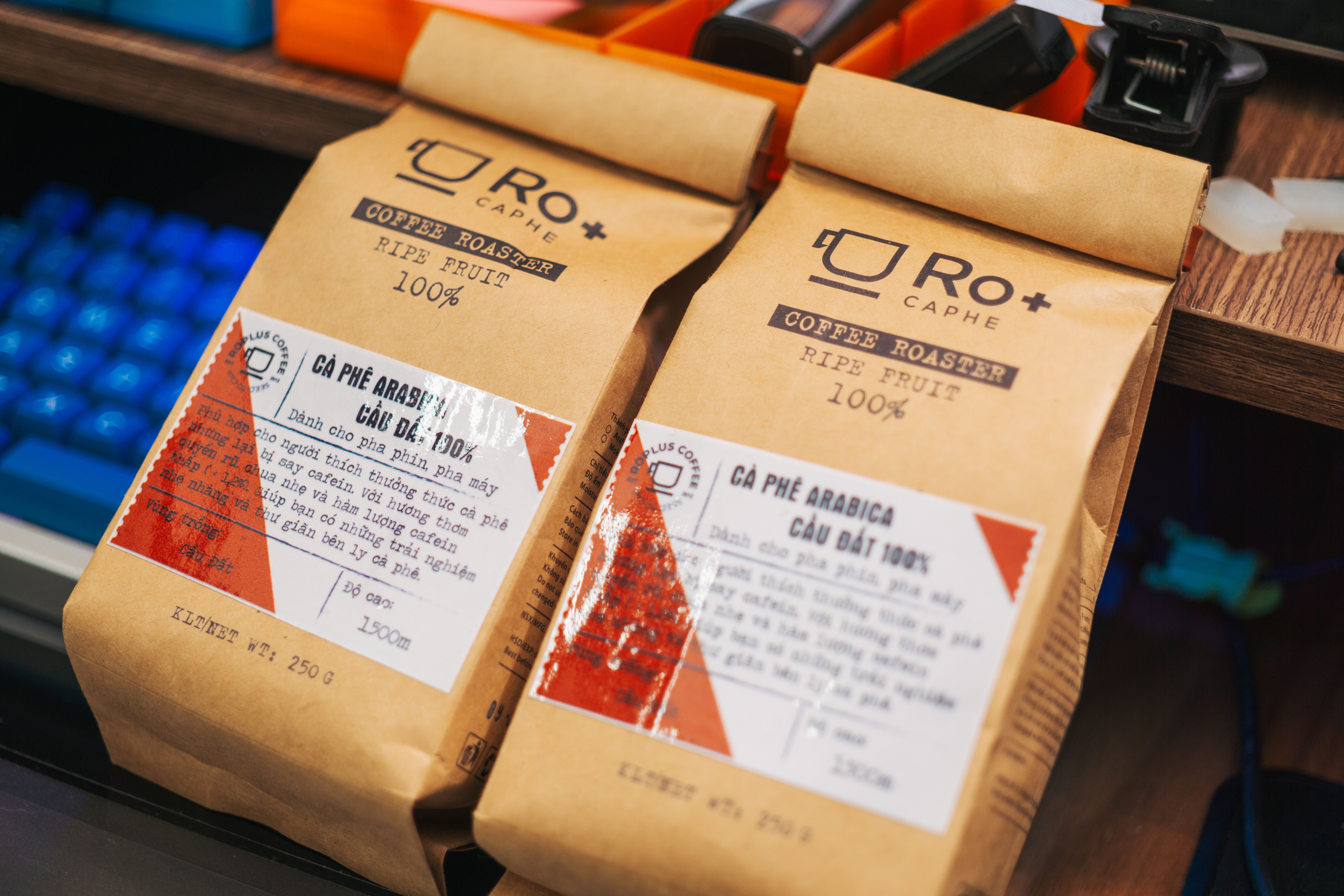
“Mylar” itself is part of the confusion. It is DuPont’s trade name for biaxially-oriented PET film, a material that has been around since the 1950s. What you actually buy as a “custom mylar bag” is a laminated pouch — typically a polyester outer layer for printing, a middle barrier layer (metallized film or aluminum foil) that blocks oxygen, moisture and light, and an inner heat-seal layer that touches your product. The choices that matter are the ones made in that middle. This guide walks through them in the order they should be made: spoilage first, then structure, then format, closures, printing and, finally, the supplier.
Start with how your product actually spoils
Before any spec is written, name the enemy. Every product fails in one of a handful of ways, and the right bag is the one aimed at your specific failure:
- Oxygen drives rancidity in nuts, oils, coffee, and any product with fats — it is also what degrades the potency of many supplements and botanicals. Oxygen-sensitive goods need a high-barrier laminate, and often a valve or oxygen absorber.
- Moisture makes powders clump, freeze-dried food rehydrate, and jerky go limp. Dry goods in humid climates or long supply chains need a strong moisture-vapor barrier and a tight seal.
- Light fades colors and breaks down light-sensitive compounds. If your product sits under retail lighting for months, opaque or foil-backed film matters more than you think.
- Aroma leaks both ways. Coffee and tea lose the volatiles you paid to roast in, while a smell-proof bag keeps a pungent product from perfuming an entire delivery box.
- Puncture is the purely physical threat — sharp edges, freeze-dried shards, rough courier handling. This is the one place thickness and nylon layers genuinely earn their keep.
Most products face two or three of these at once, which is why packaging is always a trade-off rather than a single “best” option. A lightweight snack with a two-month sell-through and a high-value whole-bean coffee with a twelve-month code both need protection — but not remotely the same protection.
The mil myth: thickness is not a barrier spec
Thickness is measured in mils (thousandths of an inch; one mil is 25.4 microns). It is a real spec with a real job: durability, puncture resistance, and that reassuring heft customers feel. It says almost nothing about freshness. A bag’s barrier performance is a property of the laminate’s middle layer, and suppliers quote it as an oxygen transmission rate — how many cubic centimeters of oxygen pass through a square meter of film per day. The gap between structures is enormous:
| Laminate structure | Oxygen transmission (cc/m²/day) | Moisture transmission (g/m²/day) | Recyclability | Best fit |
|---|---|---|---|---|
| PET / aluminum foil / PE | 0.1–0.5 | 0.5–1.0 | Not recyclable in standard streams | Long-shelf-life, oxygen- or aroma-sensitive premium goods |
| PET / metallized PET / PE | 1–3 | 2–5 | Hard to recycle | The everyday workhorse for snacks, coffee and supplements |
| PE / EVOH / PE (mono-material) | 1–2 | 3–6 | Recyclable | Brands with sustainability requirements and moderate shelf life |
| PET / nylon / PE | Higher (nylon is not a barrier layer) | Moderate | Hard to recycle | Sharp, heavy or vacuum-packed products where puncture is the risk |
Transmission figures are typical published ranges for coffee and food pouch films as of 2026; actual values depend on film gauge and supplier formulation.
Two things stand out. First, a true foil layer is close to a physical wall — industry data puts foil laminates at roughly a tenth of the oxygen transmission of metallized film, which is why a foil 4 mil bag routinely beats a metallized 6 mil one on freshness.
Second, the current wildcard is recyclable mono-material film (PE with an EVOH barrier layer): it approaches metallized performance while being sortable in standard plastic recycling, which matters as regulations such as the EU’s packaging rules push brands away from unrecyclable multilayers. Structure determines barrier; thickness determines strength. Pay for both, but know which one you are buying.
Stand-up or flat? Match the format to the channel
Once the barrier is set, the next question is how the bag lives its life. Stand-up pouches (a bottom gusset lets them sit upright on a shelf) dominate retail for a reason: they create their own billboard, and the format is what most shoppers picture for coffee, snacks and supplements. Flat pouches are cheaper, lie flat until filled, pack densely into shipping cartons, and suit samples, single servings and direct-to-consumer orders where shelf presence is irrelevant.
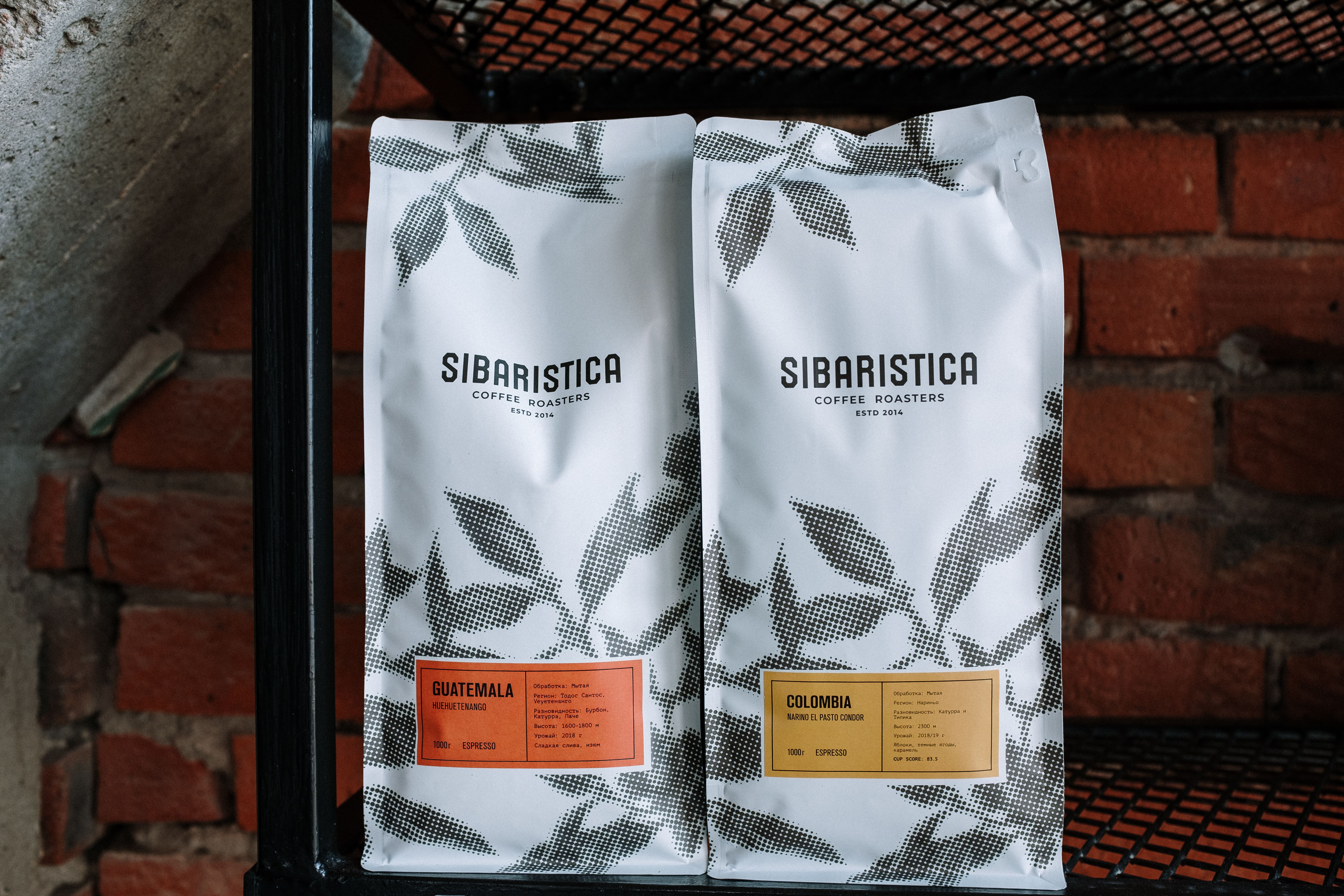
Here is the choice I would push back on: don’t default to stand-up just because everyone else does. A brand selling primarily through e-commerce or subscription boxes is paying for a gusset and rigidity that never reaches a shelf — the bag’s whole job there is to photograph well, survive a courier van, and not crush under the box above it. Conversely, a retail brand competing against a wall of similar pouches on a supermarket fixture gets most of its value from the format that stands up and the front panel that reads from three meters away. Where does your product physically get bought? That answer, not the neighbor’s packaging, should decide the shape.
The small features that decide whether a bag gets rebought
The details buyers notice last are often the ones that determine repeat purchases. Four are worth deciding deliberately.
A one-way degassing valve is non-negotiable for freshly roasted coffee. Roasted beans release carbon dioxide for days after roasting, and sealing that gas inside a rigid high-barrier bag risks it ballooning — or bursting. The valve lets CO’ out while keeping oxygen out. The stakes are measurable: a 2025 study in MDPI’s Beverages journal that accelerated shelf-life tests of specialty coffee found foil-laminated pouches preserved quality for roughly 250 days at 20°C (over 600 days refrigerated), while a pressed cardboard box held ground coffee for under eight days before tasters scored the decline. If you roast, the valve is not an upsell — it is the difference between week-two freshness and a flat bag of regrets.
Resealable zippers matter whenever a product is consumed over multiple sittings — coffee, snacks, pet treats. A zipper costs a little and quietly earns loyalty, because it lets a customer keep the barrier working at home. Heat-seal-only bags are for single-use portions, samples, or products meant to be finished in one go. Child-resistant closures move from nice-to-have to legal requirement for cannabis and certain supplements or pharmaceuticals, so check the rules for your category and market before finalizing anything.
Tear notches, hang holes and rounded corners sound trivial. A clean first-open (no scissors, no jagged rip) and a peg hole for display are exactly the kind of micro-experiences a customer remembers when choosing between two otherwise identical pouches.
Printing and compliance: check before you approve the proof
The same smooth polyester outer layer that makes a good barrier also makes an excellent printing surface, and this is where many buyers accidentally spend twice — once on the bag and once on a slapped-on label because they missed the print deadline. Decide the artwork and finish up front: matte lamination reads premium and hides fingerprints, gloss maximizes color pop, and a spot-gloss or soft-touch finish is how brands signal “this is the expensive one” without changing the film underneath.
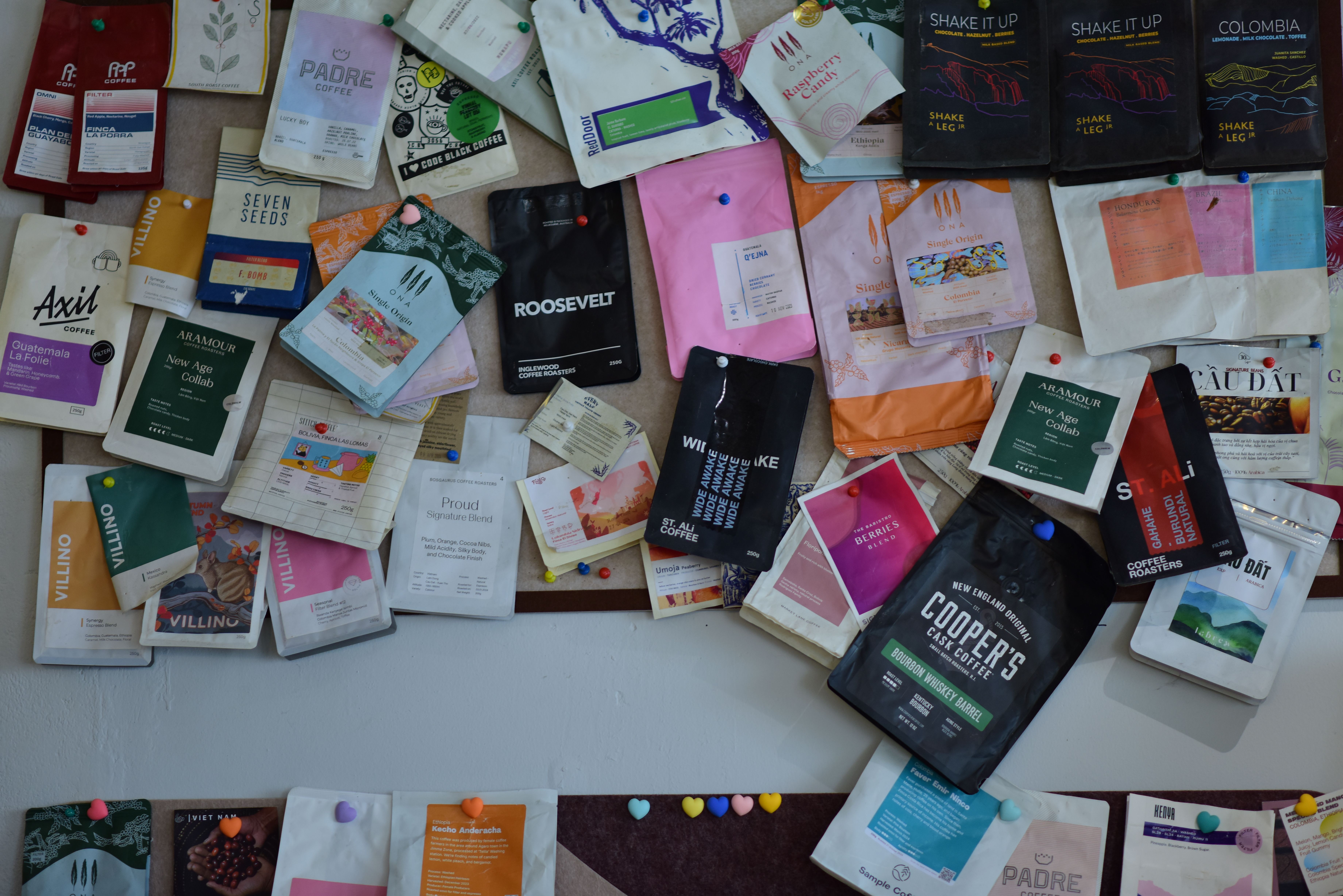
Two compliance points deserve more attention than they get. First, food contact: if your product is edible, the inner sealant layer must be food-contact-safe and compliant in the markets you sell into — a claim worth asking for in writing, not assuming. Second, if you are in a regulated category such as cannabis, requirements for opacity, warnings, child-resistance and language differ by state and country, so confirm them before committing artwork. A good printer will flag what it cannot print before you pay, but nobody will flag what you did not ask about.
Order the samples, then order the run
Packaging is one of the few purchases where you can hold the final product in your hands before committing, and skipping that step is the most expensive mistake on this list. Order filled samples — your real product, not beads or air — and stress them: does it stand, seal, and survive being dropped? Does the zipper close over a full bag? Is there enough headspace above the fill line for the seal to form cleanly? Filling your actual product into sample sizes is the only reliable way to catch a too-tight or too-loose fit, and most suppliers will send dielines so you can test print-to-edge layouts before the artwork is final.
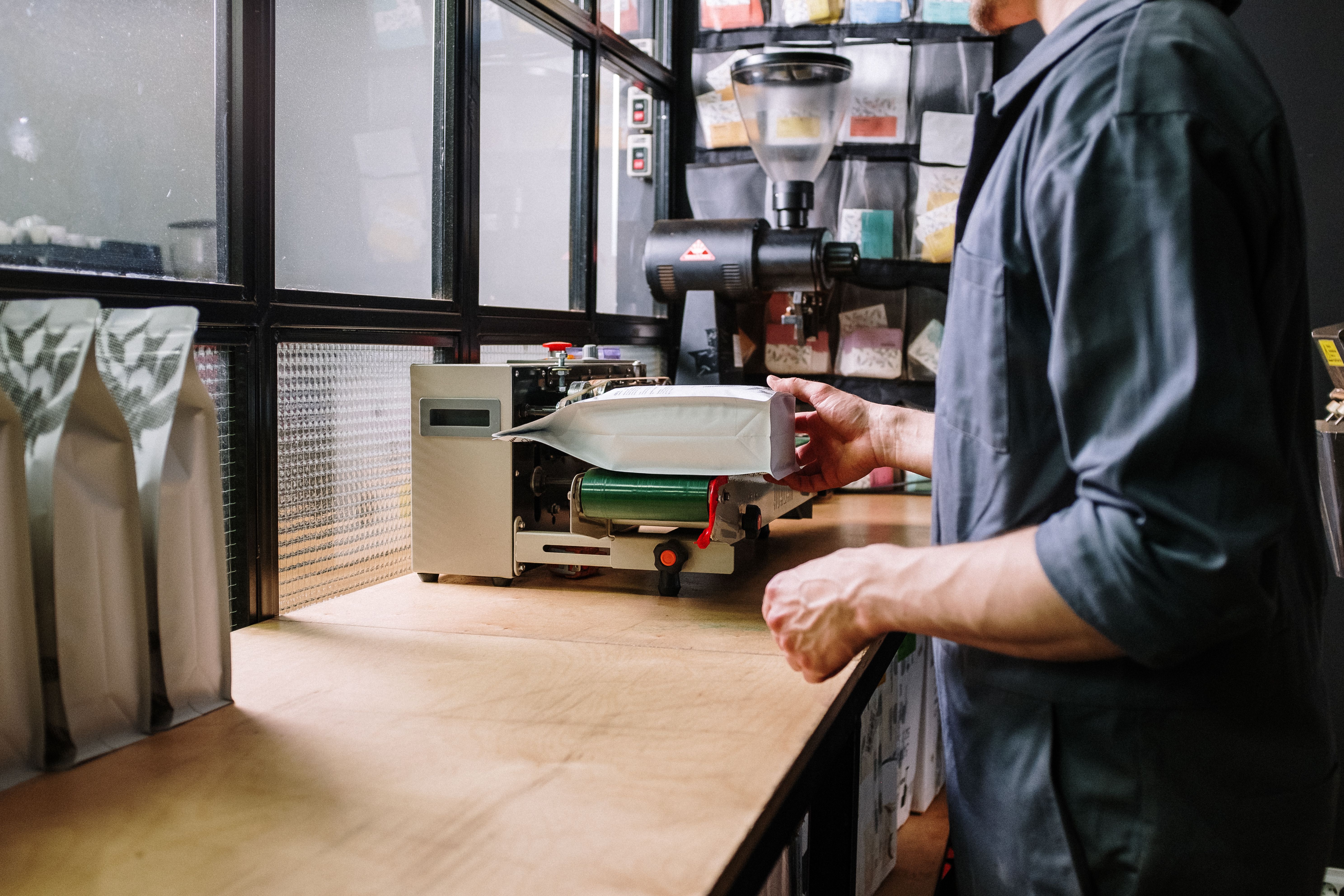
Then compare suppliers on more than unit price. While researching this I saw quoted prices swing far more between suppliers on art setup, proofs and minimums than on the film itself — the services around the bag are where the spread hides. For food and botanicals sold in volume, a specialist such as Feel U supplies custom mylar bags wholesale and will talk barrier specs and compliance with you rather than just take an order, which is worth more than a few cents a bag when you are new to laminates. A partner who asks what your product is and how it spoils — before quoting you anything — is the one to keep.
Answers to the questions buyers actually ask
What is the difference between thickness and barrier?
Thickness (mils) is durability — puncture resistance and heft. Barrier is a property of the laminate’s middle layer — how little oxygen and moisture pass through. A thicker bag is not automatically a fresher one; structure, not gauge, determines shelf life.
Do I need a degassing valve?
Only if your product emits gas after packing — almost exclusively freshly roasted coffee, which releases CO’ for days. Without a one-way valve, gas builds up inside a high-barrier bag. For everything else, a valve is an unnecessary cost and a potential leak point.
Can custom mylar bags be sustainable?
Increasingly, yes. Mono-material PE structures with an EVOH barrier layer are recyclable in standard plastic streams while retaining respectable barrier performance, and they are what most major converters now offer alongside foil laminates. True foil bags remain effectively non-recyclable today.
How do I pick the right size?
Match the net weight and volume of your portion, plus enough headspace above the fill for a clean seal. Rather than guessing from a chart, request sample sizes and fill them with your real product — the bag should hold the contents snugly without stressing the seals or wasting film.
Resealable zipper or heat seal?
Zipper if customers use the product over multiple sessions — coffee, snacks, supplements, pet treats. Heat-seal only if it is a single-use portion or sample. In regulated categories like cannabis, check whether a certified child-resistant closure is required regardless.
How this guide was put together
I wrote this for small and mid-size brands buying custom printed pouches, and based it on supplier technical documentation and buyer guides retrieved in September 2026, plus a peer-reviewed 2025 shelf-life study of specialty coffee packaging in MDPI’s Beverages journal.
Oxygen and moisture transmission figures are typical published ranges for commercial pouch films, which vary with gauge and formulation; the product-to-size starting points reflect common printer recommendations rather than universal standards. Recyclability claims refer to European and North American collection schemes as of 2026, and regulatory requirements differ by jurisdiction, so confirm compliance with your supplier and local rules before ordering.