
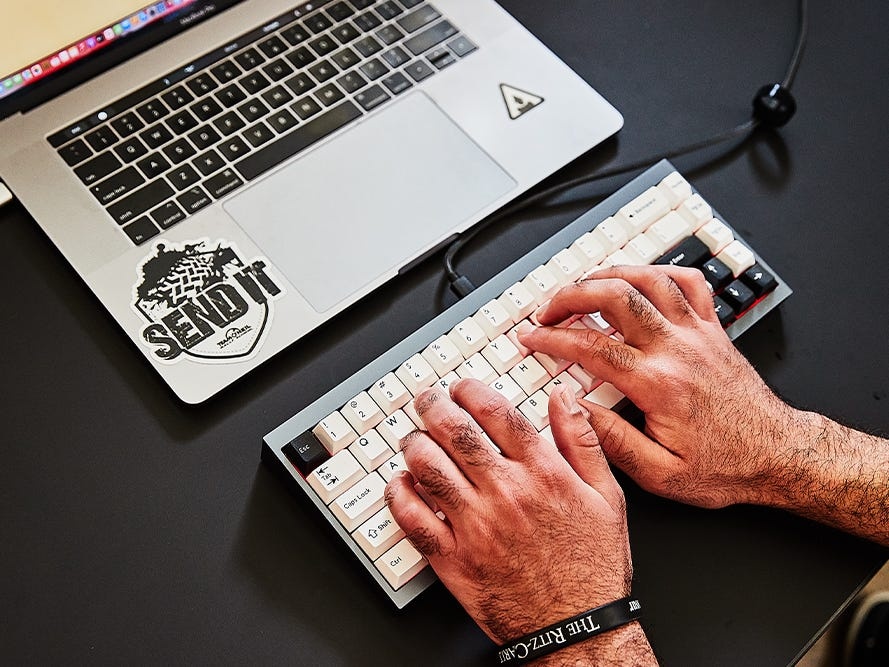
Many people accept slow typing, awkward layouts, or constant typos as normal. A personalized keyboard setup changes that experience.
When keys respond the way your hands expect and shortcuts match your habits, writing emails, notes, or reports becomes easier and far less tiring.
Setting up a personalized keyboard does not require advanced technical skills. A few thoughtful adjustments can improve speed, reduce strain, and create a typing experience that actually supports how you work.
Why a Personalized Keyboard Makes Typing Easier
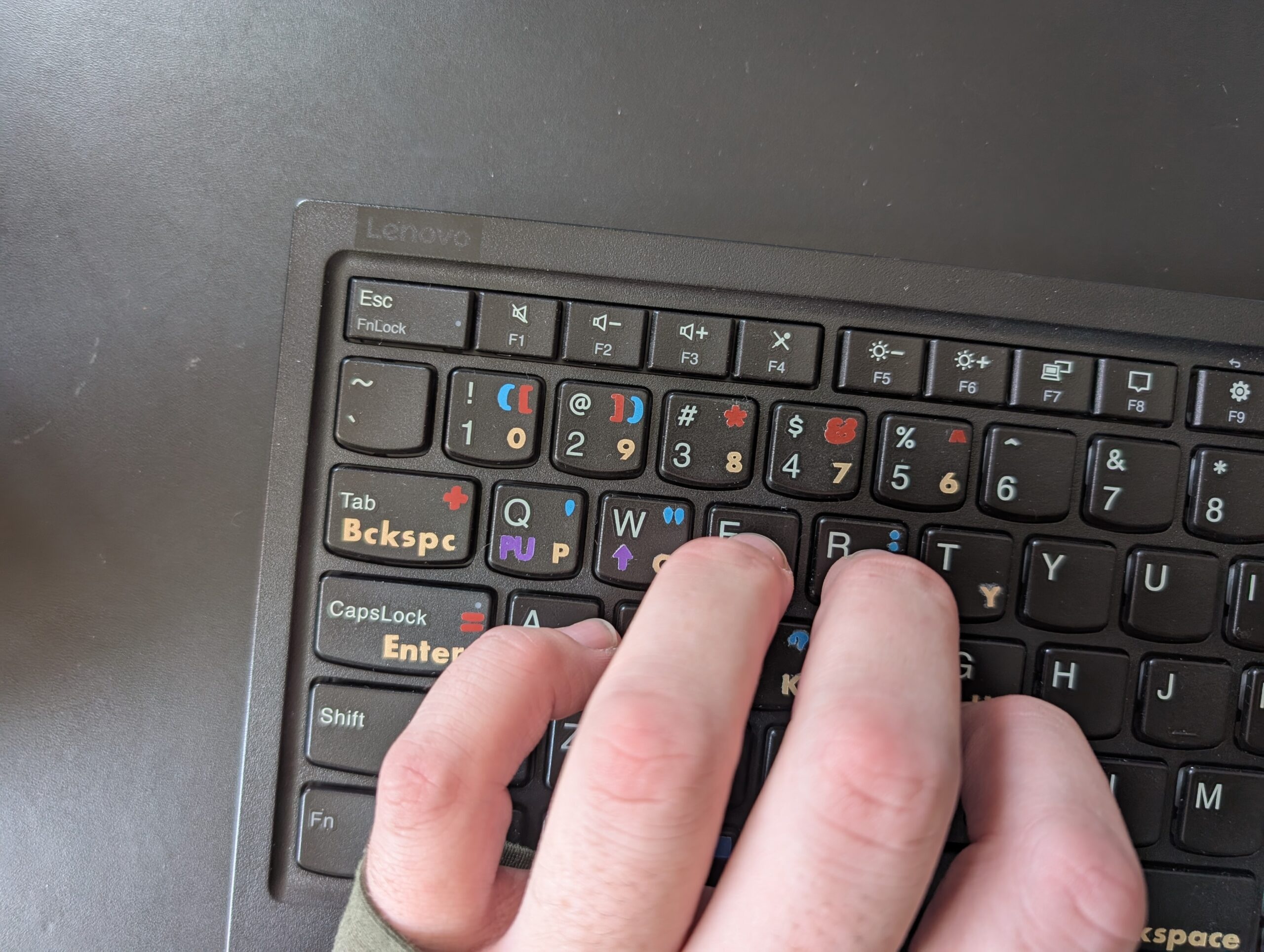
Standard keyboard layouts work well enough for most users, but they rarely match individual typing habits.
Hands vary in size, finger movement patterns differ, and work tasks demand different shortcuts. A personalized keyboard addresses those small mismatches.
People often notice improvements in three key areas after adjusting their keyboard settings:
- Faster typing speed because key response and shortcuts align with natural movement patterns.
- Fewer typing mistakes since predictive tools and layout adjustments reduce repeated corrections.
- Less finger fatigue during long typing sessions.
Typing efficiency depends on muscle memory. When the keyboard adapts to your habits instead of forcing you to adapt to it, writing becomes smoother and far more intuitive.
Small changes such as adjusting key sensitivity, adding predictive text tools, or remapping unused keys can dramatically improve daily typing comfort.
Choosing the Right Input Method and Smart Typing Tools
Keyboard personalization often begins with the input method itself. Different typing systems offer predictive text, phrase suggestions, and language recognition that reduce effort while writing.
Many users rely on advanced input tools to accelerate their workflow. One well known example is 搜狗输入法 (Sogou input method), which uses AI driven prediction to recognize phrases and anticipate common typing patterns. Typing often feels smoother because the software predicts words before the user finishes entering them.
Input method tools usually offer features such as:
- Intelligent word prediction based on previous writing habits
- Custom phrase shortcuts for common sentences
- Automatic correction for common typing errors
Those features gradually learn from daily use and become more accurate over time.
Adjusting Keyboard Layout for Your Typing Style
Keyboard layout plays a major role in typing comfort. Many users never change the default layout even when it creates unnecessary strain.
Several alternative layouts aim to improve typing ergonomics. The following comparison shows common layout options and their typical advantages.
| Keyboard Layout | Main Benefit | Typical Users |
| QWERTY | Familiar layout used worldwide | General computer users |
| Dvorak | Reduced finger travel distance | Heavy typists and writers |
| Colemak | Balanced improvement over QWERTY | Users seeking gradual transition |
Each layout changes how fingers move across the keyboard. Some users experience faster typing speeds after switching, although an adjustment period is necessary.
After choosing a layout, practicing regularly helps build new muscle memory and makes the improvement permanent.
Customizing Shortcuts for Frequent Tasks
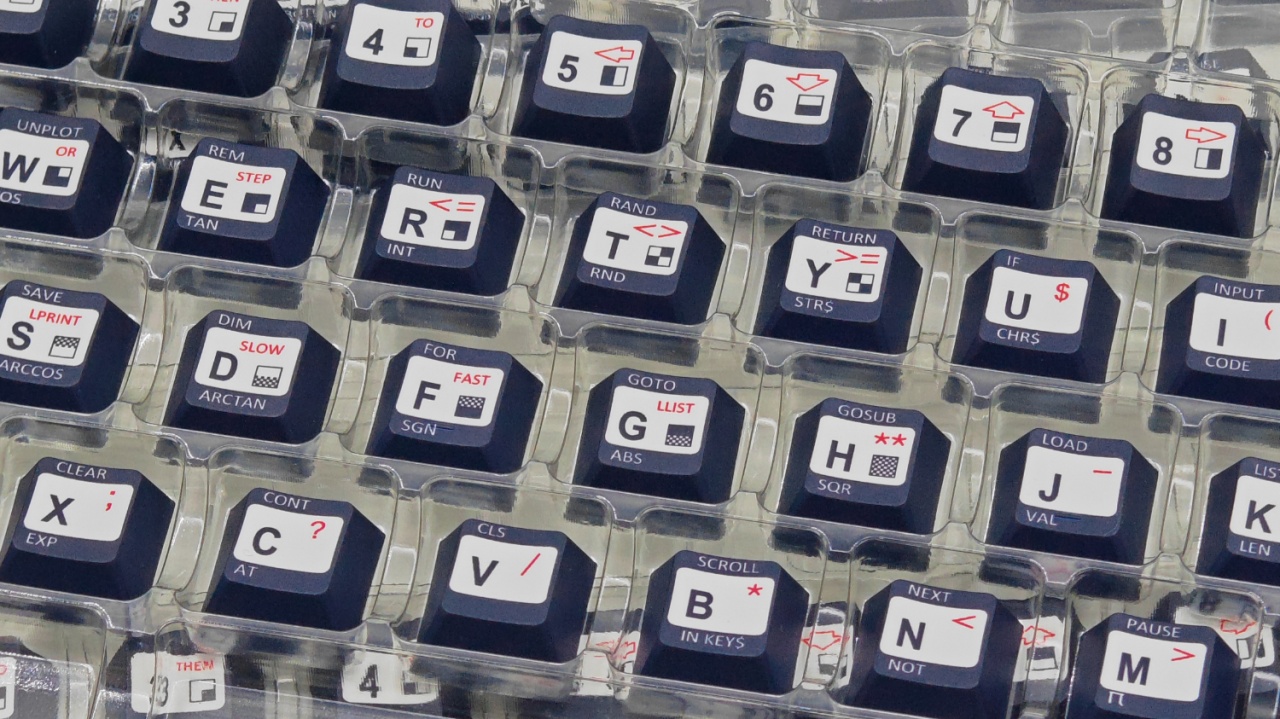
Many typing delays come from repeating small actions such as inserting common phrases, opening programs, or navigating documents.
Personalized shortcuts remove those repetitive steps. Modern operating systems allow users to assign custom key combinations for everyday commands.
Before creating shortcuts, identify tasks that repeat often. A few examples include:
- Inserting a frequently used email signature
- Opening commonly used software tools
- Navigating between documents or tabs
- Triggering automated formatting commands
A simple shortcut can save several seconds per action. Over hundreds of repetitions during a workday, the time savings become significant.
Keyboard automation tools can also expand short text codes into full sentences, which helps professionals who write repetitive responses.
Fine Tuning Key Sensitivity and Repeat Settings
Keyboard responsiveness affects typing accuracy more than most users expect. Key repeat speed and delay determine how quickly characters appear when a key remains pressed.
Operating systems typically allow adjustments in the keyboard settings menu. Small changes can make typing feel noticeably smoother.
Did you know
Research on human motor control shows that reaction time and key repetition speed influence typing rhythm and error rates.
When the delay is too short, accidental repeats occur more frequently.
Most users benefit from adjusting two main parameters:
- Repeat delay which controls how long a key must be held before repeating
- Repeat rate which controls how quickly characters repeat after activation
Finding the right balance requires testing different combinations for several minutes.
Creating Personal Text Expansions
Text expansion tools allow short codes to automatically expand into full phrases or sentences.
Writers, developers, and support professionals rely heavily on this feature.
A typical workflow might include abbreviations such as:
- “addr” automatically expanding into a full mailing address
- “sig1” inserting a professional email signature
- “meet” expanding into a meeting confirmation message
Text expansion is a productivity technique that converts short typed triggers into longer predefined text, reducing repetitive typing and improving writing speed.
Over time, a library of expansions builds a personalized typing system.
Many professionals report noticeable productivity gains after adding even a small set of shortcuts.
Ergonomic Keyboard Hardware Considerations
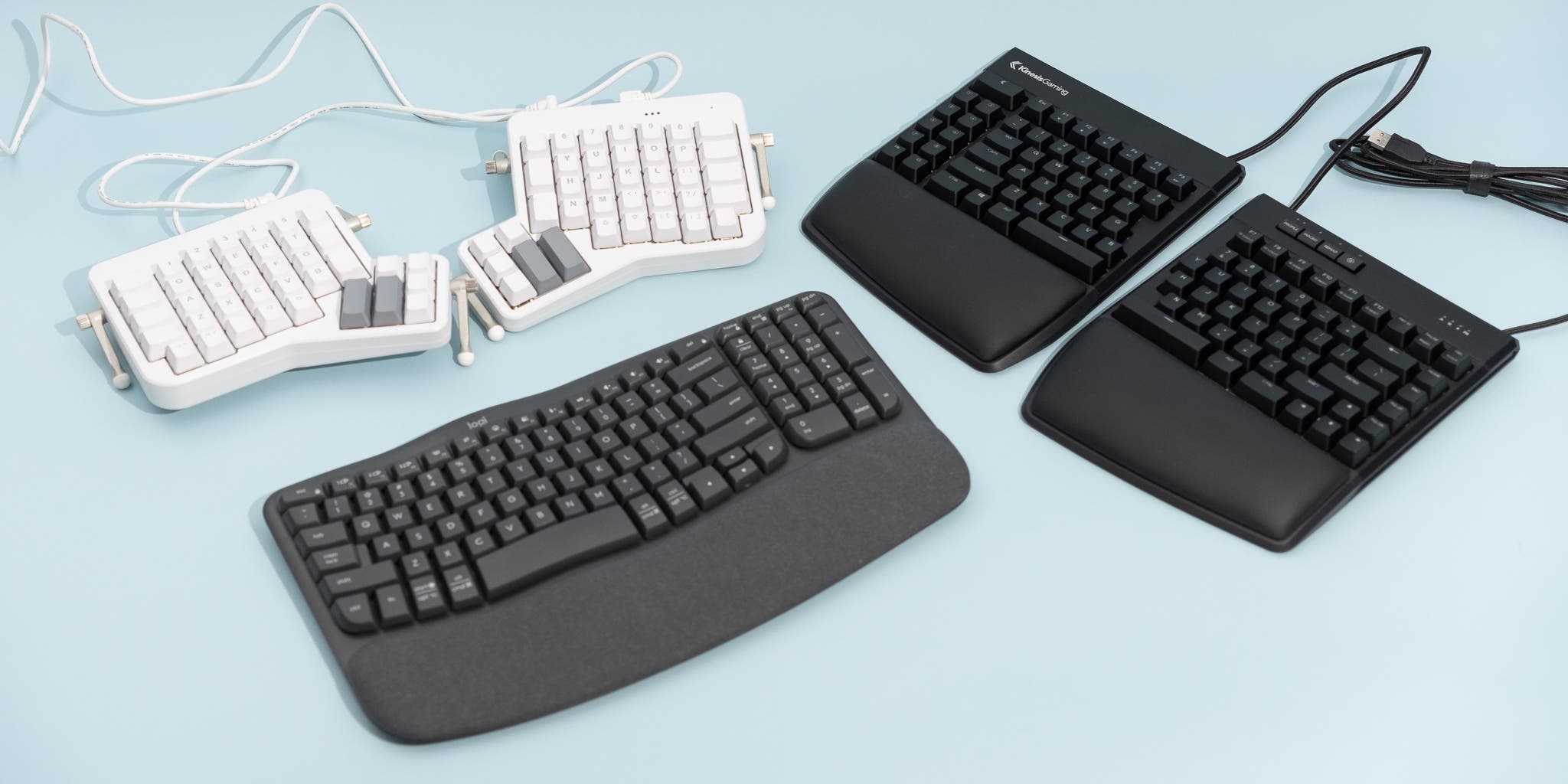
Software customization helps a great deal, but hardware design also influences typing comfort.
Keyboard shape, key travel distance, and wrist position affect typing speed and fatigue levels.
Several hardware features often improve daily typing:
- Split keyboard designs that allow natural wrist positioning
- Mechanical switches that provide tactile feedback for each keystroke
- Adjustable keyboard angles that reduce wrist strain
Some users also prefer low profile keyboards with shorter key travel because they reduce finger movement during long writing sessions.
Experimenting with different keyboard designs can reveal which option feels most natural for your typing habits.
Building a Keyboard Setup That Adapts Over Time
Personalization does not happen in one step. Typing habits evolve as people change tools, work environments, or writing tasks.
A flexible keyboard setup should allow gradual adjustments. Small refinements often bring the biggest long term benefits.
Many experienced typists follow a simple improvement cycle:
- Observe typing habits for a few days and identify repeated frustrations.
- Adjust shortcuts, predictive tools, or layout settings.
- Test the changes during normal work tasks.
Consistent refinement leads to a keyboard environment that feels effortless.
Typing remains one of the most common digital actions people perform every day. A personalized keyboard setup transforms that routine activity into a faster, smoother, and more comfortable experience.
Over time, those small improvements add up to significant gains in productivity and comfort.