
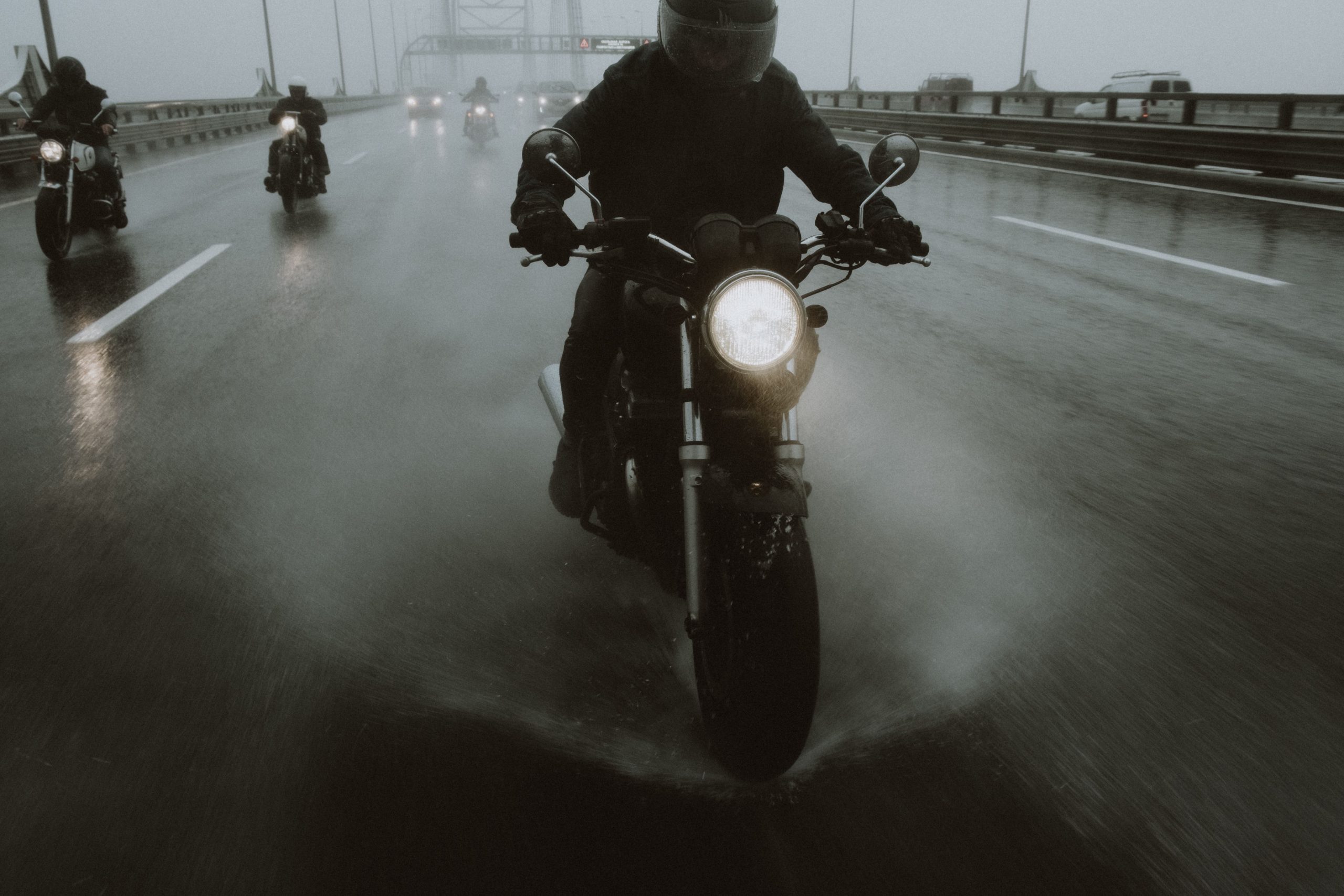
Rain doesn’t care how good a rider you are. It slicks the paint at intersections, polishes tram rails into ice, and – the part that actually causes the crashes – puts a film of water between your eyes and the road.
Most wet-weather advice leans on grip, and that makes sense. But it’s only half the story. A 2025 study in Scientific Reports, working from more than 954,000 two-wheeler crashes in India’s Uttar Pradesh, found that heavy rain shifts crash risk toward busier, faster roads, where limited visibility and sudden braking do the damage. You can have all the traction in the world and still not see the pothole in time.
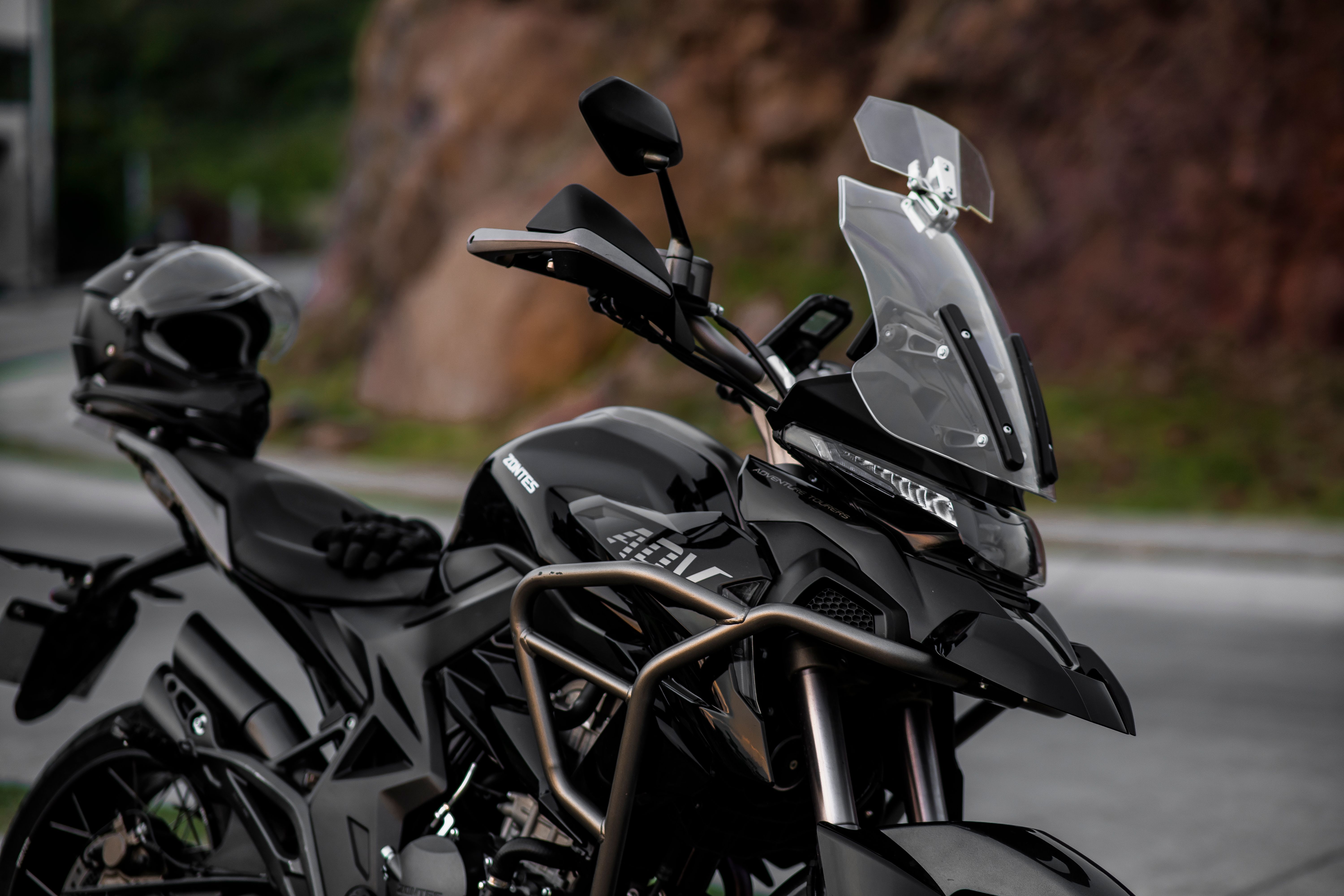
That’s where the windscreen earns its keep. A screen sized and shaped properly doesn’t just keep spray off your jacket; it decides whether you spend the ride squinting through fogged, streaked plastic or looking cleanly over the top edge at the road ahead.
What the right screen actually does
A windscreen’s job is aerodynamic, not decorative. It lifts air – and the rain it carries – up and over your helmet, leaving a calmer pocket at chest height. Get the height wrong and you swap one problem for a better-known one. Set the top edge at eye level, the advice plenty of riders still repeat, and your helmet ends up in the turbulent boundary layer that forms just above the screen. The result is buffeting and noise that get worse the faster you go. RevvRider’s measuring guide puts that turbulent band roughly three to five inches above the screen’s top edge.
My read: for most riders the safer setup is a screen you look over, top edge an inch or two below the eye line. If the plastic gets smeared with grime or rain, you still have a clear view.
Dry is a wind-management problem
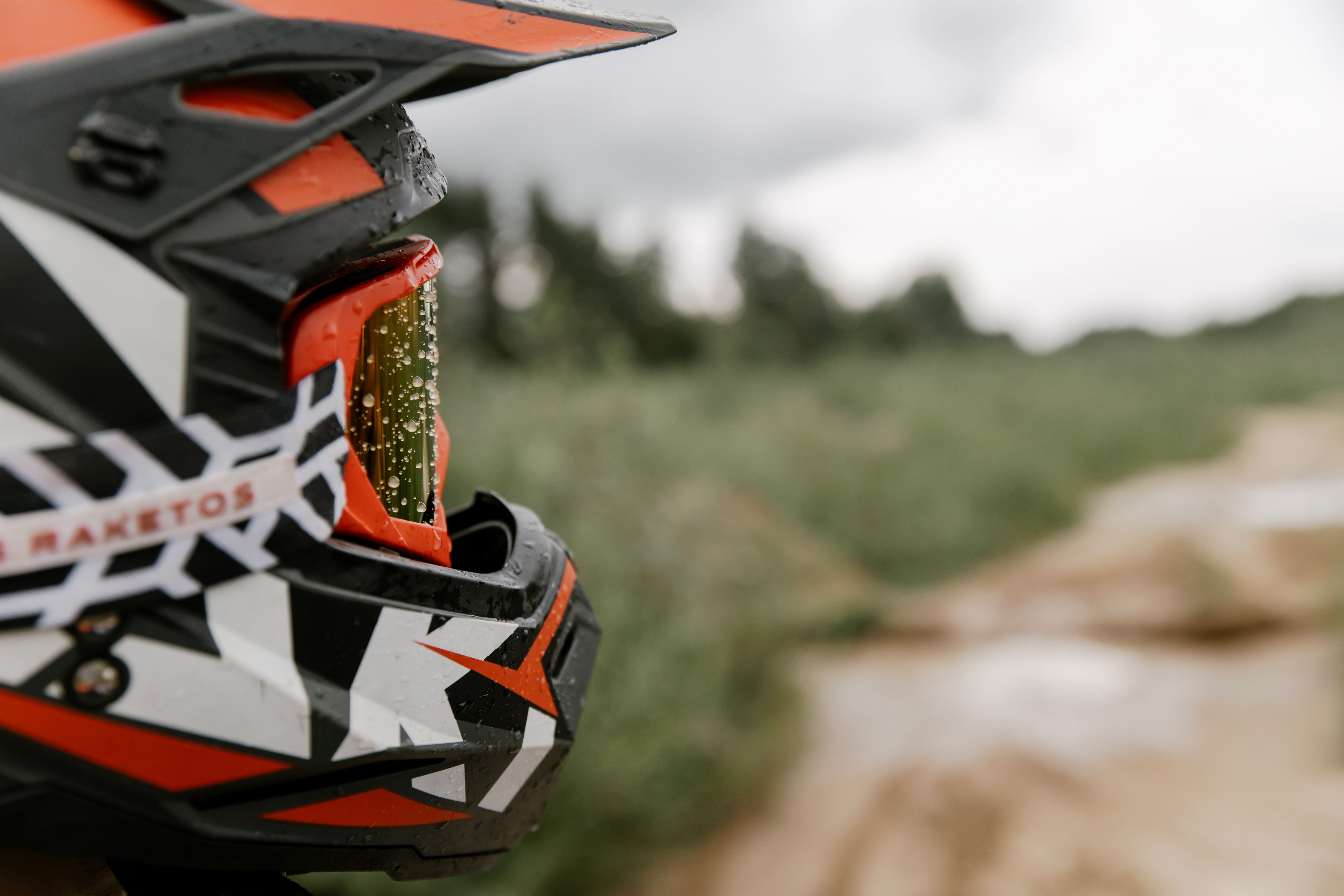
A windscreen doesn’t stop rain so much as move it. A taller touring screen throws the worst of the spray away from your chest, hands and visor, so your waterproofs have less work to do. The waterproofs themselves still matter – a one- or two-piece rain suit kept on the bike, gloves with a visor squeegee, and boots that can stand water. RevZilla’s rain-riding guide makes the point that you can’t manage a hazard you can’t see, which is why the visor deserves your attention before the tyres do.
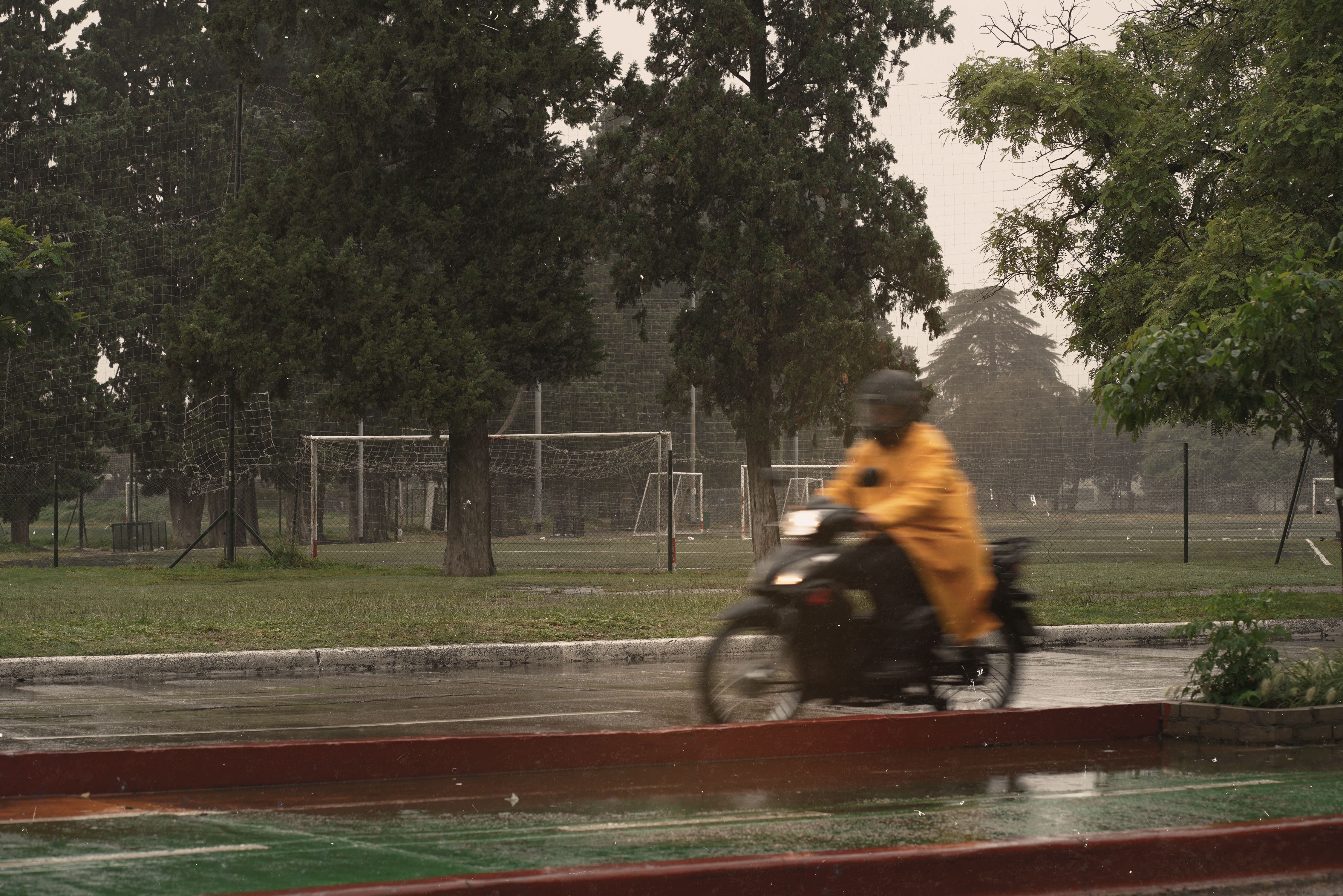
Riding the rainy season, not just surviving it
Three details decide whether a screen works. Height and angle, so your sightline clears the top edge. Material – hard-coated polycarbonate absorbs knocks and UV without the crazing cheap acrylic develops. And adjustability: a spoiler or deflector lets you tune airflow for a crosswind or a downpour instead of living with one fixed setting.
If you ride a specific model, a made-to-fit screen beats a universal one every time, because the bracket and curve are matched to your bike’s airflow. Sellers like motorcyclescreens build both dedicated and universal options, including adjustable deflectors that extend an existing screen – useful when the factory item is too short for the wet months.
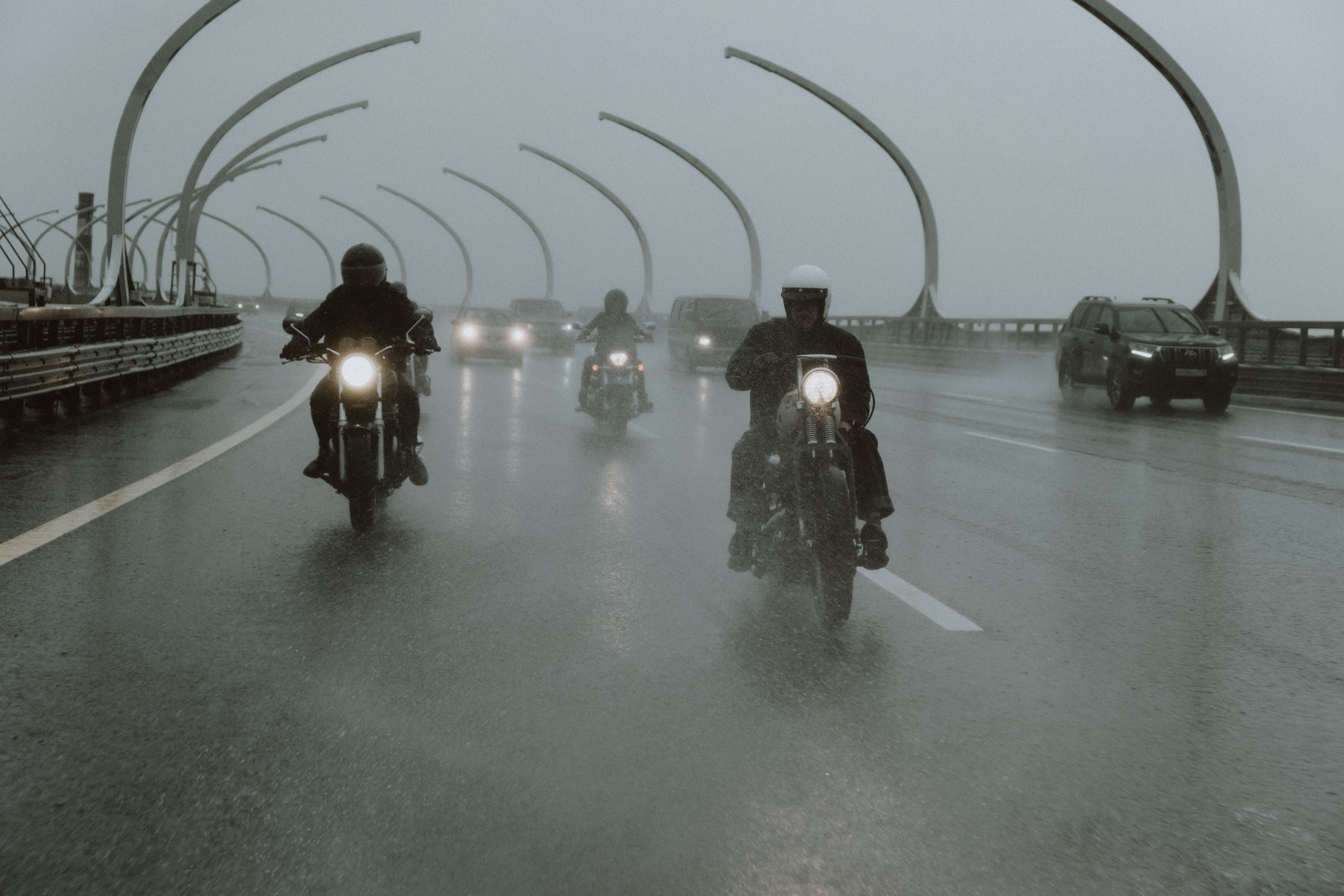
None of it replaces technique. Slow down, brake gently with both brakes, widen your line into corners, and watch for the slick stuff – manhole covers, painted lines, tram rails, wet leaves. The first ten minutes of a storm are the worst, when oil and dust float to the surface. And leave other drivers more room than you think you need; they can see you even less than you can see them.
A note on sourcing: the crash figures above come from the peer-reviewed Nature study cited, checked in September 2026. The airflow guidance reflects manufacturer and rider-source consensus rather than a single standard, so treat screen height as a starting point to test on your own bike.