
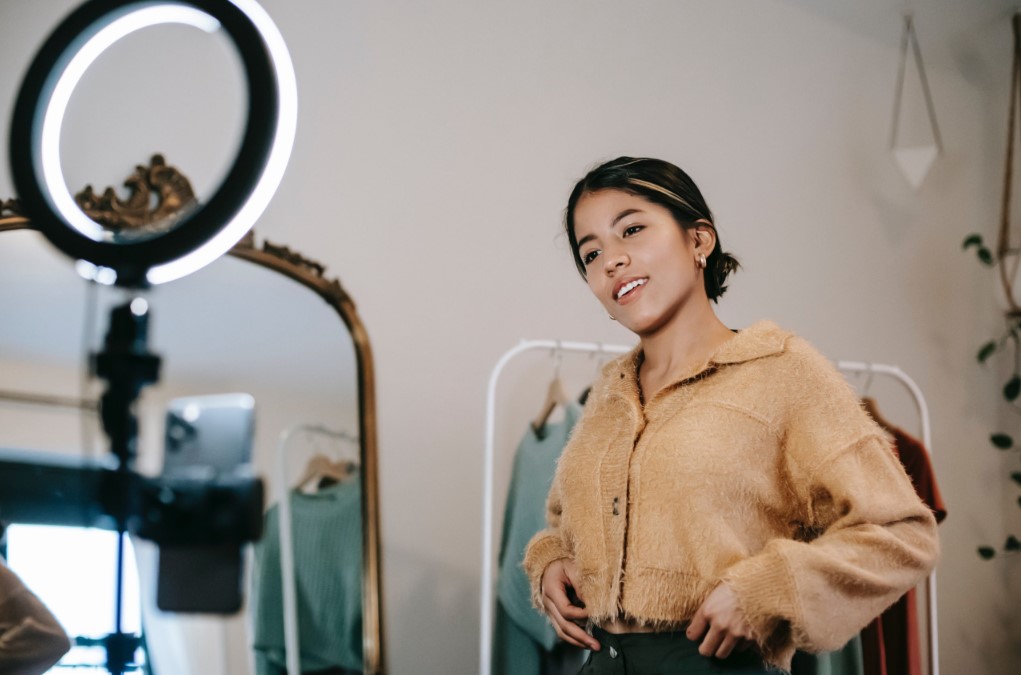
A beautifully lit kitchen, a flawless travel reel, or a perfectly arranged morning routine can still attract attention. Trust arrives through a different route. Viewers notice whether recommendations match a creator’s usual habits, whether sponsorships are clearly disclosed, and whether a supposedly favorite product appeared for the first time five minutes after a brand deal began.
For lifestyle creators, authenticity means a recognizable point of view backed by real experience, consistent standards, and transparent commercial relationships. Its value has grown as social feeds fill with polished advertising and AI-assisted media. Production quality is easier to achieve. Credibility remains harder to copy.
The Feed Is Fuller, but Trust Is Scarcer

Generative AI has changed the economics of content production quickly. Adobe’s 2025 survey of more than 16,000 creators found that 86% were using generative AI, often for editing, asset generation, or brainstorming.
AI can help a small creator work faster, yet widespread access also means visual polish carries less proof of effort or originality than it once did.
The same uncertainty exists with written content, where creators, editors, or clients may use tools to check GPT signals in a draft when they want another indication of how heavily AI may have shaped the text.
Platforms have responded by making provenance more visible. YouTube requires disclosure when realistic content has been meaningfully altered or generated with AI, while TikTok uses creator and automatic labels for qualifying AI-generated material. Both policies reflect a simple shift: audiences increasingly need context about how media was made.
Regulators are moving in a similar direction. In the European Union, Article 50 transparency rules under the AI Act began applying on August 2, 2026, covering areas such as deepfake disclosure and machine-readable marking for certain generated or manipulated content.
The European Commission’s transparency guidance frames transparency as part of maintaining trust in an information environment where synthetic media is harder to distinguish from human-created material.
Audiences Can Accept Sponsorships When the Rules Are Clear
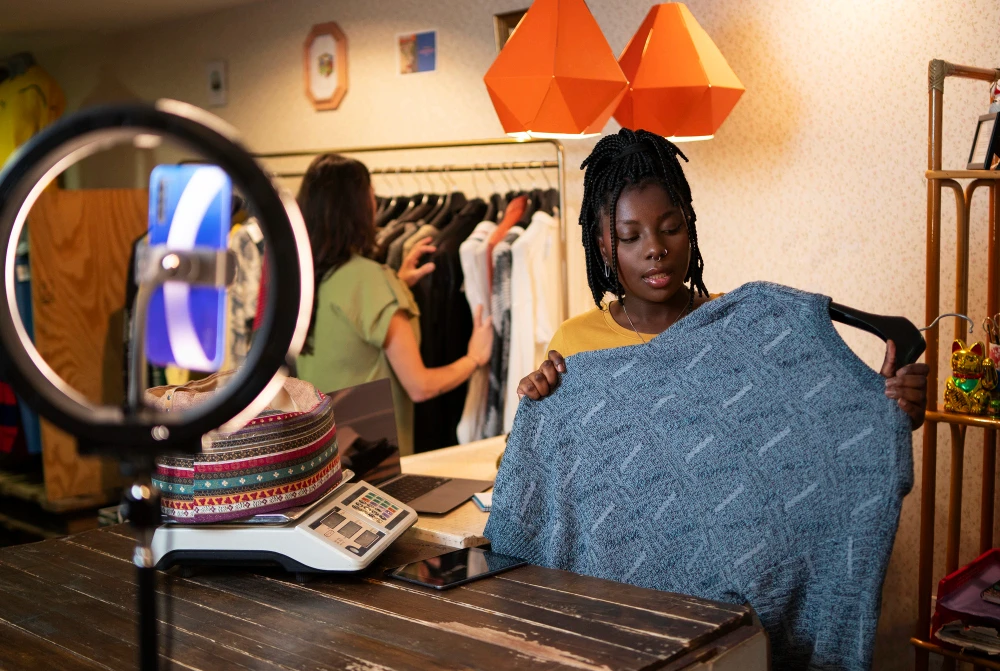
A sponsored post does not automatically damage credibility. Hidden incentives create the bigger problem.
The U.S. Federal Trade Commission says influencers should clearly disclose a “material connection” with a brand, including payment, free products, discounts, employment, or certain personal relationships. Its influencer disclosure guidance also says disclosures should be hard to miss and placed with the endorsement itself.
Good disclosure helps the audience interpret a recommendation. A viewer can think, “She was paid for the video, but she has used the same running shoes for six months,” and make a judgment with the relevant information in view.
Brand fit matters as well. A 2025 Sprout Social report found that 61% of surveyed influencers ranked alignment with a brand’s values among their most important partnership criteria, while 41% cited alignment between the product and their audience’s interests.
Sprout’s creator research suggests creators themselves recognise how mismatched partnerships can weaken the relationship they have built with followers.
Authenticity Is Consistency, Not Constant Confession
Authentic content does not require filming every argument, sharing private medical details, or turning family life into a public diary. Privacy and authenticity can coexist comfortably.
A better test is consistency. Does a creator apply roughly the same standards to sponsored and unsponsored products? Do stated values survive when money enters the picture? Does the creator admit when a product has limitations? Can viewers recognise personal taste across several months of content?
Lifestyle audiences are especially sensitive to pattern changes because personal preference is part of the product. A food creator who suddenly praises a meal-delivery service after years of criticising ready-made meals creates friction. A travel creator who promotes every hotel as “perfect” eventually makes the adjective meaningless.
Small admissions often carry unusual weight. Saying that a suitcase rolls beautifully but feels too heavy for train travel can make the positive comments around it sound far more credible. Real preferences usually contain edges.
Lifestyle Creators Sell Judgment Before They Sell Products

Beauty, fitness, fashion, food, interiors, wellness, and travel all depend heavily on taste. Followers return because they gradually learn how a creator evaluates choices.
Consider two skincare videos. One presents seven products as essentials with no explanation beyond enthusiasm. Another explains skin type, how long each item was tested, which product caused irritation, and which cheaper alternative performed similarly. The second creator gives the audience a framework for judgment.
Frameworks build durable authority. A viewer may disagree with the final recommendation and still value the method.
That difference matters commercially. Google and Boston Consulting Group research on video influence identifies attention, relevance, and trust as important drivers of purchase influence. The Google analysis of creator influence argues that trust in familiar voices can shape consumer decisions alongside reach and visibility.
For a lifestyle creator, personal judgment becomes a form of intellectual property. Competitors can copy a camera angle or editing rhythm. A credible record of choices is much harder to reproduce.
How to Make Authenticity Visible

Authenticity works best when followers can observe it repeatedly rather than hear claims about it. A few habits make credibility easier to see:
- Disclose commercial relationships early. Clear language removes guessing and gives viewers useful context.
- Show evidence of real use. Wear the jacket again, revisit the hotel after the press trip, or explain how a product held up after three months.
- Explain selection criteria. Price, durability, ingredients, comfort, ethics, convenience, or personal taste give followers a way to evaluate the recommendation.
- Leave room for drawbacks. Praise sounds stronger when criticism is allowed to exist beside it.
- Keep some recommendations unmonetised. A creator whose entire life appears sponsored can struggle to show where genuine preference ends and campaign work begins.
- Be transparent about meaningful AI use. Editing assistance and synthetic media are different creative choices. Clear disclosure protects the relationship when AI materially changes what viewers believe they are seeing.
Perfection Is Becoming Easier to Produce
Lifestyle content once gained status through access to expensive cameras, skilled editing, exotic locations, and highly polished production. Many of those advantages have become cheaper or easier to imitate.
A distinctive human record still takes time. Trust grows when a creator remembers what they said six months ago, declines partnerships that do not fit, corrects an error without drama, and recommends products with standards the audience can recognise.
Authenticity has practical value because it reduces uncertainty. Followers know what a recommendation means when they know the person making it. For lifestyle creators, that confidence can outlast an algorithm change, a platform trend, or a beautifully produced viral post.