
Most people don’t overspend on entertainment because they are reckless. They overspend because the small charges are spread out across the month and never get added up. A streaming app here, a takeout order there, a concert ticket bought on impulse. None of it feels like a problem until the end of the month, when the money is gone and nobody is quite sure where it went.
A personal entertainment budget fixes that. It doesn’t need to be complicated, and it doesn’t mean cutting out fun. It just means deciding in advance how much fun you can afford and then making that number easy to follow.
Start by finding out what you actually spend
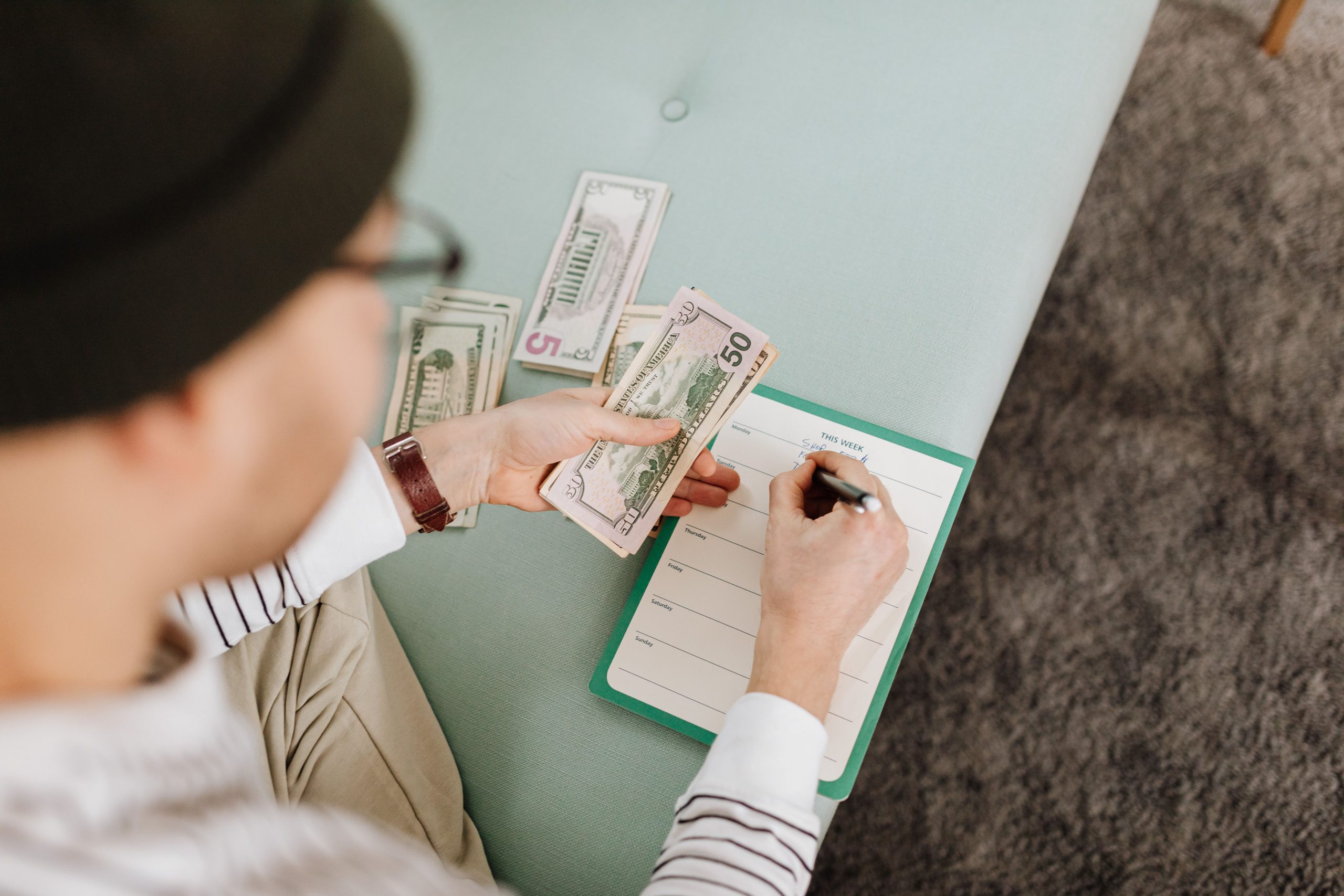
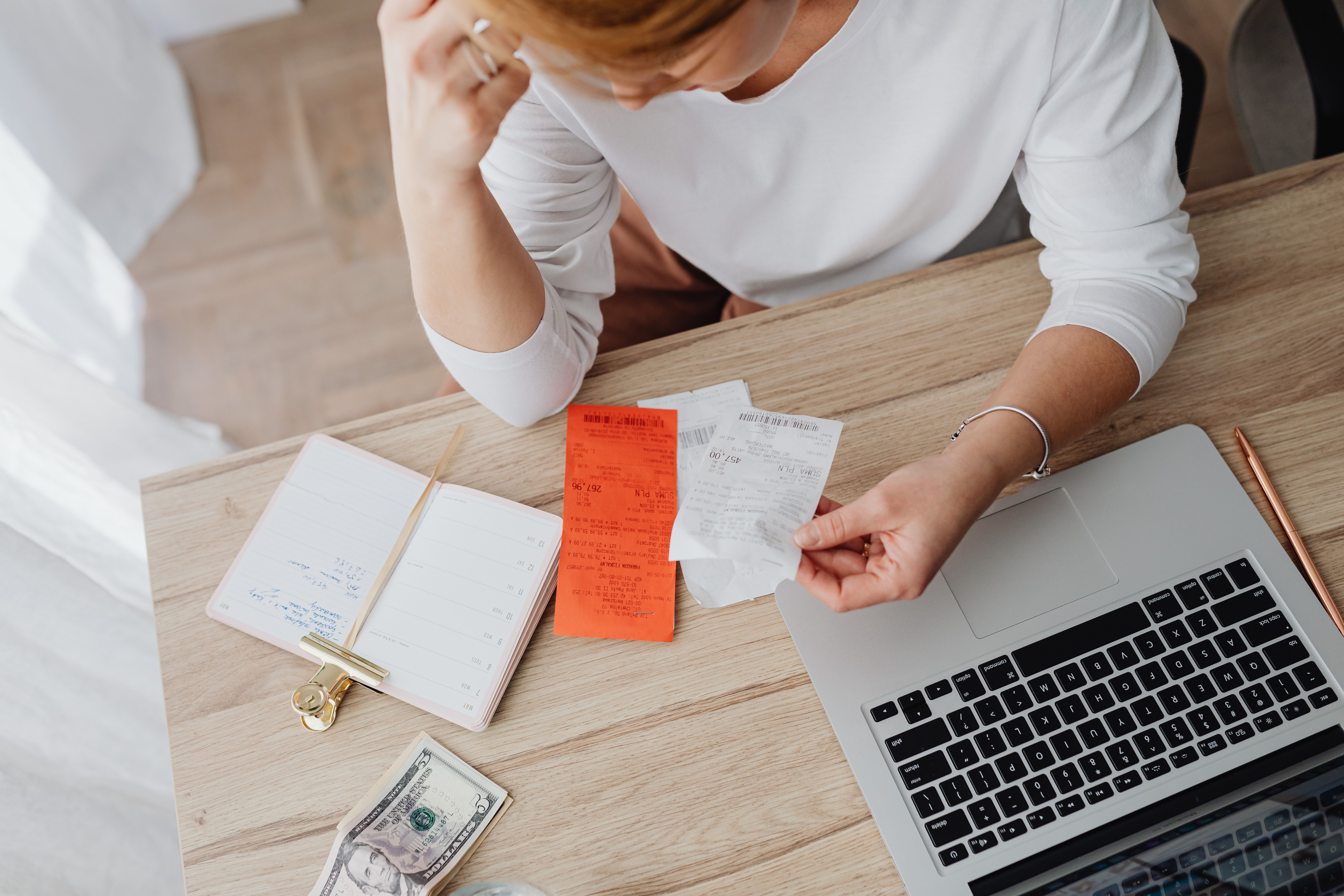
Before you pick a number, look at what you already spend. Pull up the last two or three months of bank and card statements and highlight anything that counts as leisure: streaming subscriptions, mobile games, cinema tickets, restaurant meals that were mostly about socializing, concerts, sports, hobby purchases, and small in-app extras.
Be thorough. A $12 subscription doesn’t feel like much on its own. Add up six of them, plus a few delivery orders and two expensive nights out, and the total can be a surprise. Tracking for one full month without changing anything is often the most useful exercise in the whole process, because it gives you real numbers instead of guesses.
Separate recurring costs from occasional ones
Not all entertainment spending behaves the same way. A streaming subscription bills you every month whether you watch it or not. A weekend trip or a concert shows up irregularly and can wipe out a large chunk of your fun money in a single purchase.
It helps to sort your spending into two groups. Recurring items include streaming services, gaming subscriptions, club memberships, and regular classes. Flexible items include nights out, events, games, hobby supplies, and short trips. Recurring costs deserve the first look, because they keep running in the background. Cancel anything you rarely use, and rotate the rest if you can.
Set a ceiling before you need it
The easiest way to keep spending under control is to decide on the amount before a tempting opportunity shows up. Once your essentials are covered, your debt payments are made, and you are putting something toward savings, look at what is left and choose a monthly amount you can comfortably spend on recreation.
That number is a ceiling, not a target. You are not supposed to spend all of it. It is simply permission to enjoy yourself up to that level without damaging the rest of your plan. Many people find this changes how budgeting feels. Instead of saying no to everything, you already know what yes costs.
Keep the entertainment budget separate from the money that protects you. Rent, groceries, utilities, insurance, minimum debt payments, and your emergency fund should never depend on how expensive last weekend was. A spontaneous night out is not an emergency, even if the concert tickets go on sale for only one day.
Split the money into buckets
A single lump sum is easy to lose track of by mid-month. Dividing it into a few categories makes each one easier to manage. A simple split might look like this:
- Dining out and takeout
- Movies, shows, and streaming extras
- Events, concerts, and games
- Free or low-cost activities and surprises
Adjust the amounts to match your habits. If you love live music and rarely eat out, move money from dining into events. The point is to make each bucket specific enough that you can tell when it’s empty. Some people use a separate savings account for this, others use a physical envelope, and plenty simply track it in a notes app. Pick whatever you will actually check.
It also helps to divide the monthly total into weekly amounts. A week’s worth of fun money feels more manageable than a month’s, and if one week runs low, you know to pick something free for a few days.

Plan the free and cheap options first
Entertainment doesn’t have to be expensive, and the cheapest plans are often the most fun. Check your local library for events, book clubs, and movie nights. Look for free museum days, community concerts, parks, trails, and game nights with friends. Once you have a list of free ideas, your paid budget can go toward the outings you care about most.
Some people go further and build a “fun fund” that rolls over. Unused money carries into the next week or month, up to a set cap. That way a quiet month can pay for a bigger night later without the budget feeling like a trap.

Watch for the usual leaks
Even a good budget can fall apart in a few predictable ways. Small purchases like app upgrades, snacks, parking, and in-game extras are easy to forget. Using a credit card for fun money is another common trap, because interest can turn a $60 night into a much more expensive one. And mixing entertainment money with bill money makes it hard to know what you can really afford.
If you do choose to spend part of your fun money on something like online gaming, treat it the same way you would a concert or a dinner out. Set a fixed amount in advance, and once it’s gone, stop until the next cycle. For example, if you like to compare online casino options before deciding where to play, a resource like casinous can help you look at the choices, but the same spending limit should apply. Any deposit is still an entertainment expense and should come out of the same pot.
Review it often, and adjust without guilt
A budget is a working document, not a test you pass or fail. Checking totals every two weeks catches drift much earlier than a once-a-month review. If you find you are consistently running short in one category and have extra in another, move the money. If a big expense appears, such as a wedding or a holiday trip, decide ahead of time whether you will pull from savings or shift money from other categories.
Fifteen minutes every other Sunday is usually enough. Over time you will learn which purchases actually made you happy and which ones you barely remember. Spend more on the first kind, and the budget will start to feel less like a restriction and more like a way to get the most out of the money you already have.