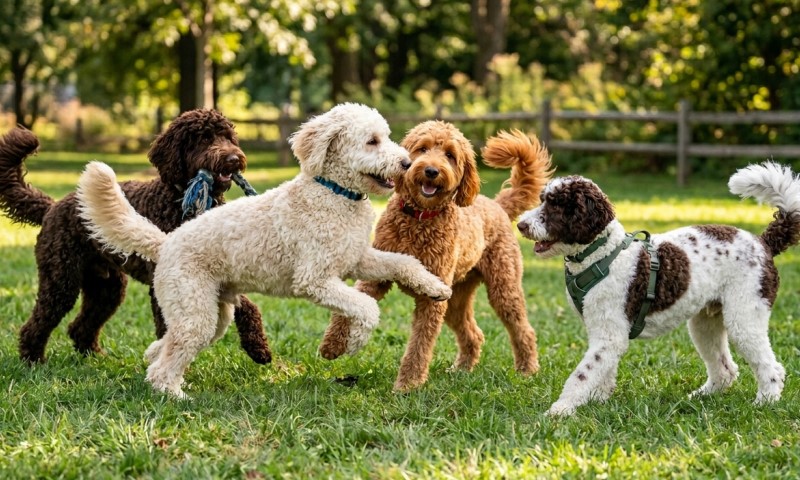
Goldendoodles are admired not only for their friendly temperament and intelligence but also for their remarkable variety of coat colors and patterns. Many families choose a Goldendoodle based on personality first, yet coat appearance often plays a big role in the final decision. Cream, apricot, chocolate, and parti coats are among the most popular choices because they combine visual appeal with the classic teddy bear look many owners love.
Understanding how these colors develop and what patterns to expect helps future owners make confident decisions when choosing a puppy.
Understanding Goldendoodle Color Genetics
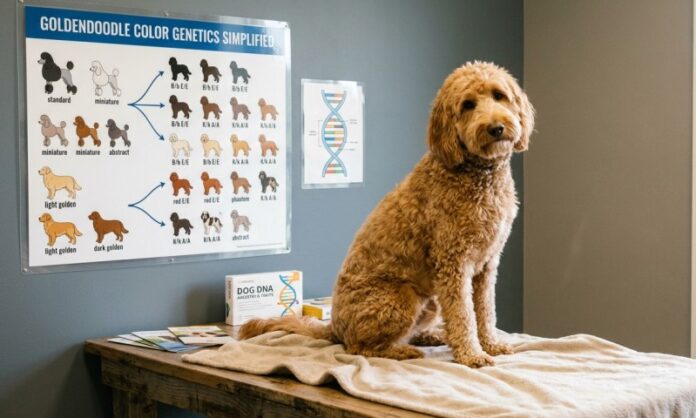
Goldendoodle coat colors come from the genetic combination of the Golden Retriever and the Poodle. Breeders carefully select parent dogs to produce predictable coat shades and patterns, although natural variation still occurs within each litter.
Lighter shades such as cream and apricot often come from Golden Retriever lines, while darker tones like chocolate are more commonly inherited from Poodles. Patterned coats such as parti require specific gene combinations that produce two or more distinct colors.
Several factors influence final coat appearance:
- Genetics determine the base color that a puppy inherits from both parents.
- Coat fading often occurs during the first year, especially with lighter shades.
- Sun exposure and grooming routines can slightly affect the visual tone of the coat.
- Curl type can make the same color appear lighter or darker depending on light reflection.
Many puppies change shade as they mature, which makes early color predictions approximate rather than exact.
Choosing a Goldendoodle Size and Color Together
Color is only one part of choosing the right dog. Size is equally important because it affects living space requirements and activity levels. Many families interested in smaller dogs often look for mini Goldendoodle puppies because their size fits comfortably into apartments and smaller homes while maintaining the classic Goldendoodle personality.
Breeders that specialize in smaller varieties often provide:
- Carefully selected bloodlines that maintain predictable temperament traits.
- Puppies raised in home environments for early socialization.
- Multiple size options such as mini, micro, or toy varieties.
- Transportation options for families located far from breeders.
Selecting both size and color together helps narrow down the search and ensures the puppy fits the household lifestyle.
Cream Goldendoodle Coats
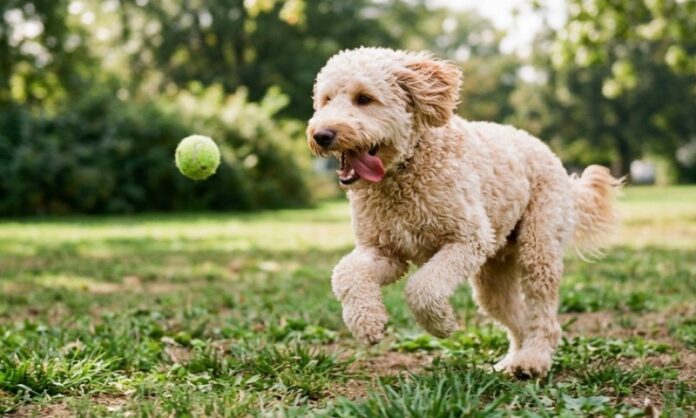
Cream Goldendoodles are among the most recognizable and popular variations. Their soft light color gives them the classic teddy bear appearance that many people associate with the breed.
Cream coats range from nearly white to a warm ivory shade. Many puppies are born slightly darker and lighten as they mature, sometimes becoming several shades lighter by adulthood.
Some of the common features of cream coats are:
- Light neutral tone that matches almost any home environment.
- Easy visual detection of dirt and debris, which helps with grooming.
- Gradual color lightening during early development.
- Soft and fluffy appearance that highlights curl patterns.
Cream Goldendoodles often appear especially fluffy in photographs because lighter colors reflect more light and emphasize coat texture.
Did you know?
Cream is technically considered a very light form of apricot in many breeding classifications.
Apricot Goldendoodle Coats
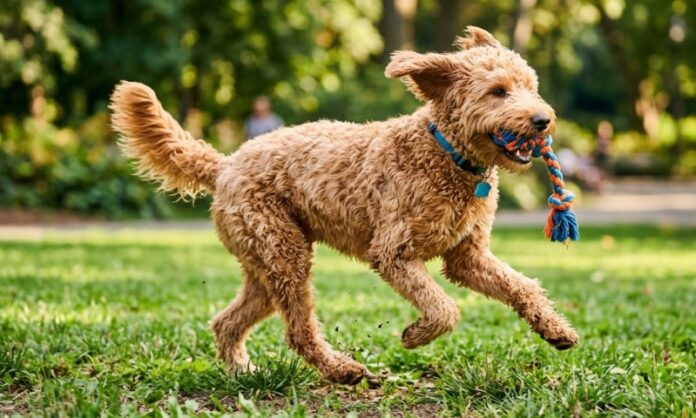
Apricot Goldendoodles display warm golden tones that resemble the classic Golden Retriever coat while retaining the texture of a Poodle. This shade ranges from pale peach to deep golden orange.
Apricot coats often deepen slightly before stabilizing during adulthood. Some dogs retain strong color intensity while others gradually fade to lighter golden tones.
Typical Apricot Shades
| Shade Level | Appearance | Common Traits |
| Light Apricot | Soft peach tone | Often fades toward cream |
| Medium Apricot | Warm golden color | Most common shade |
| Dark Apricot | Rich orange tone | Usually holds color longer |
Medium apricot is often considered the classic Goldendoodle color because it closely resembles the Golden Retriever parent breed.
Apricot coats tend to photograph well under natural light, which contributes to their popularity among breeders and families.
Chocolate Goldendoodle Coats
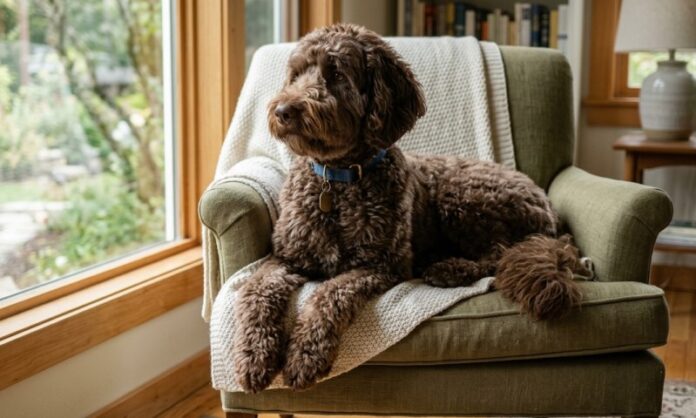
Chocolate Goldendoodles have a rich brown coat that stands out compared to the more traditional golden shades. This darker color often creates a striking contrast with light eyes or a pinkish brown nose.
Chocolate coats come in several variations, from milk chocolate tones to deep espresso shades. Some dogs maintain strong color throughout life, while others lighten slightly with age.
Important characteristics of chocolate coats:
- Deep brown shades inherited primarily from Poodle genetics.
- Nose and eye color that often matches the coat tone.
- Lower fading rate compared to lighter colors.
- Distinct appearance that makes individual dogs easy to recognize.
The chocolate coat color appears when a puppy inherits recessive brown genes from both parents. Without this combination, brown coats will not appear in the litter.
Chocolate Goldendoodles are less common than cream and apricot, which often increases their demand among buyers seeking unique appearances.
Parti Goldendoodle Patterns
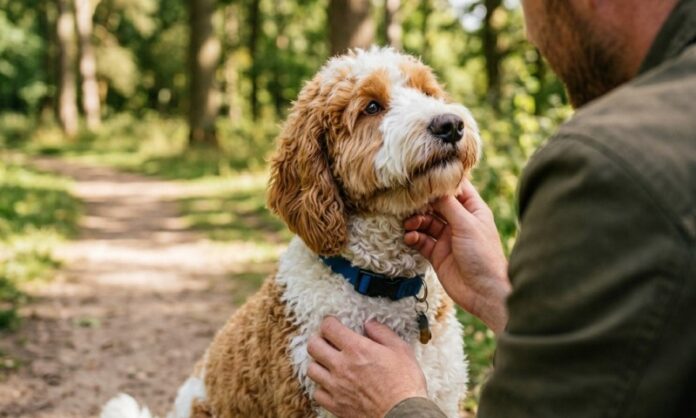
Parti Goldendoodles feature two or more clearly separated colors, usually with a white base coat combined with cream, apricot, or chocolate patches. The term “parti” refers specifically to coats that are at least 50 percent white.
Pattern placement varies widely between individual dogs. Some have large patches across the body, while others display small scattered markings.
Common parti characteristics include:
- White base coat covering most of the body.
- Random patches of secondary color.
- Unique patterning with no identical duplicates.
- Strong visual contrast that highlights curls.
Interesting fact:
Parti patterns are especially popular among owners who want a distinctive looking dog that stands out from traditional Goldendoodle appearances.
Because patterns vary so much, no two parti Goldendoodles look exactly alike.
How Goldendoodle Colors Change Over Time
Many new owners are surprised to see their puppy’s coat color evolve as the dog matures. This change is completely normal and often occurs gradually during the first year of life.
Several processes influence color development:
- Puppy coats are usually softer and darker than adult coats.
- Hormonal changes affect pigment production.
- Regular grooming exposes new coat growth.
- Genetic fading genes gradually lighten certain colors.
Apricot puppies often lighten toward cream, while chocolate coats usually remain more stable. Parti patterns typically stay consistent even when individual colors shift slightly.
Understanding these changes prevents unrealistic expectations about adult coat appearance.
Conclusion
Cream, apricot, chocolate, and parti Goldendoodles each offer distinct visual appeal. Coat color rarely affects personality or health, yet it strongly influences owner preference.
Understanding genetics, patterns, and color development helps families choose a dog that matches both lifestyle and aesthetic preferences.
Selecting a reputable breeder and focusing on temperament first ensures a rewarding long term companionship regardless of coat color.