

Car accidents often result in visible injuries, such as cuts, bruises, and broken bones, drawing immediate attention from medical professionals and victims alike. However, lingering injuries often not visible to the naked eye can leave a lasting impact on physical and emotional health.
One of the most common hidden injuries is whiplash, a neck strain that can cause significant discomfort and restrict movement. Unfortunately, whiplash isn’t the only problem. Injuries to the spine, soft tissues, and internal organs can contribute to chronic pain, headaches, and a reduced quality of life. Even mild trauma to the back or neck can lead to complications arising months after the incident. Pain management becomes a crucial aspect of the recovery process.
Additionally, psychological ramifications of a car accident can be profound. Many individuals experience post-traumatic stress disorder (PTSD), characterized by anxiety, flashbacks, and emotional distress. These mental health challenges often accompany physical injuries, creating a complex recovery landscape that necessitates a holistic approach. Addressing these combined aspects of recovery is essential for restoring not just the body but also one’s mental well-being.
Thus, understanding that injuries from car accidents can encompass a spectrum of physical and emotional tolls prepares individuals to seek comprehensive healing options.
Navigating Trauma: Emotional Recovery in the Wake of a Crash

Recovering from a car accident often reveals layers of emotional turmoil that can complicate physical healing. Survivors may grapple with feelings of fear, anger, or anxiety every time they enter a vehicle. Panic attacks or hyper-vigilance can interrupt daily activities and interpersonal relationships, severely hindering recovery. An awareness of these psychological impacts is as critical as recognizing physical symptoms.
Engaging in supportive therapy can be a powerful component of the healing journey, allowing individuals to express their fears, develop coping strategies, and slowly alleviate feelings of isolation. Trauma-informed therapy practices can provide invaluable support, empowering survivors to take steps toward reclaiming control over their lives.
Moreover, emotional healing is deeply intertwined with physical recovery. Stress and anxiety can exacerbate physical injuries, causing muscle tension that firm up around pain points, thus prolonging discomfort. Understanding this interconnection can lead survivors to address both aspects simultaneously, paving the way for a more robust healing process.
Acupuncture Unveiled: Ancient Wisdom Meets Modern Medicine

The Science Behind Needles: How Acupuncture Works on Pain Mechanisms
Acupuncture, a time-honored practice rooted in Traditional Chinese Medicine (TCM), offers a unique avenue for addressing pain, particularly in post-accident recovery. Car accident acupuncture specifically focuses on treating injuries and discomfort resulting from vehicular accidents. This therapeutic technique involves the insertion of fine needles at specific points on the body to stimulate the nervous system, promoting a natural pain-relieving mechanism.
Research demonstrates that acupuncture may increase the production of endorphins and other neurochemicals, effectively reducing the perception of pain.
The treatment targets the body’s meridians, imagined pathways through which energy (or “qi”) flows. Blocked energy in these pathways is often theorized to contribute to pain. By inserting needles at defined points, acupuncture helps to unblock these channels, restoring balance and enhancing overall well-being.
For those navigating the aftermath of a car accident, car accident acupuncture can provide significant relief from pain syndromes such as muscle spasms, chronic neck or back pain, and more, enabling a return to normalcy following trauma.
Scientific studies bolster these claims, revealing the physiological changes that occur post-treatment. For instance, acupuncture has been found to reduce inflammation and improve circulation, both critical factors in accelerating recovery. Furthermore, its emphasis on holistic healing aligns superbly with the comprehensive care needed for accident survivors, addressing not only pain management but overall emotional stability during the recovery process.
From Ancient China to Your Healing Journey: The History of Acupuncture

The roots of acupuncture date back several thousand years, originating in ancient China, where it was practiced as part of a holistic healthcare system that emphasized harmony between body and mind. The foundational texts of TCM detail various techniques and approaches, evolving through centuries of empirical observation and philosophical underpinning.
Acupuncture gained recognition in the West during the 20th century, especially after practitioners introduced it during acupuncture demonstrations around the world.
Today, acupuncture stands at the intersection of traditional healing and modern medical science, where it is increasingly embraced as a complementary therapy for a range of ailments, including the complex pain patterns resulting from injuries such as car accidents.
Its journey from ancient practices to contemporary acceptance speaks volumes about its effectiveness and adaptability. As the acceptance of alternative therapies grows, acupuncture has surged in popularity as a natural, drug-free approach to enhance recovery and promote wellness.
Alleviating Pain: The Role of Acupuncture in Post-Accident Recovery
Finding Relief: Key Acupuncture Points for Car Accident Injuries
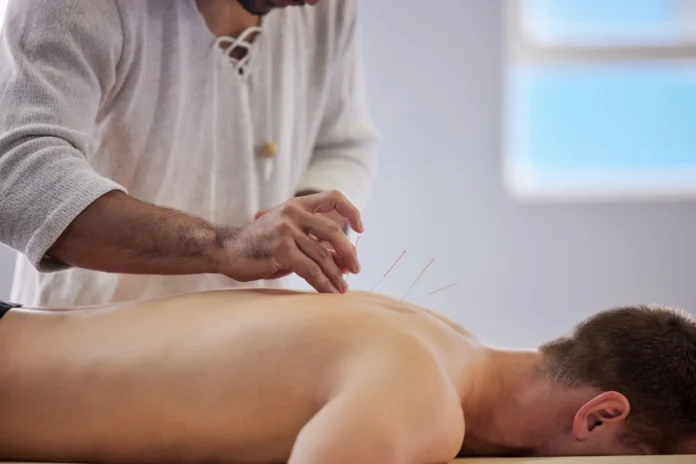
For individuals seeking solace from pain after car accidents, specific acupuncture points can be particularly beneficial. Notably, points such as LI4 (Hegu) between the thumb and index finger help to relieve tension and pain throughout the body, while ST36 (Zusanli) boosts overall vitality and assists recovery by enhancing immune function essential after a traumatic incident.
Points along the bladder meridian, located along the back, can effectively address neck and back pain. For instance, acupuncture points like BL10 (Tianzhu) can relieve neck pain, while BL23 (Shenshu) is known for its benefits in alleviating lower back discomfort. Moreover, points targeting emotional well-being, such as PC6 (Neiguan), can help reduce anxiety and promote relaxation, crucial for those finding it difficult to cope with the after-effects of trauma.
A tailored approach, considering each individual’s specific injuries and emotional state, ensures the most effective healing experience through acupuncture. By working closely with trained practitioners, accident survivors can engage in a recovery plan that leverages their individual healing needs while embracing the holistic benefits of acupuncture.
Real-Life Success Stories: Transformative Testimonials from Accident Survivors
One powerful way to understand the effects of acupuncture in the aftermath of car accidents is through personal testimonials and stories of healing. Many individuals, once overwhelmed by chronic pain, have shared remarkable improvements after integrating acupuncture into their recovery plans. For instance, a young woman recounts how persistent headaches and stiffness in her neck from an accident hindered her daily activities.
After committing to a regular acupuncture schedule, she not only experienced significant pain relief but also regained mobility, allowing her to return to activities she once loved, like yoga and hiking.
Another patient, who struggled with anxiety after being involved in a collision, discovered that acupuncture sessions not only alleviated physical discomfort but also fostered a greater sense of calm and emotional reassurance. These testimonials reflect a broader trend as patients from varying backgrounds share how acupuncture has transformed their experiences, providing renewed hope for those once trapped in the cycles of pain and distress.
Integrating Acupuncture Into Your Recovery Plan: A Holistic Approach
Complementary Therapies: Merging Acupuncture with Physical Rehabilitation
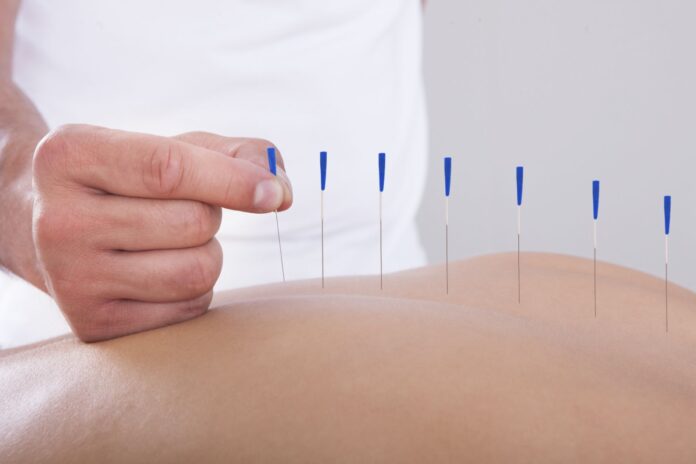
In seeking a well-rounded recovery experience, integrating acupuncture with physical rehabilitation modalities can provide synergistic benefits. Both approaches target pain relief and healing, yet from different angles acupuncture focusing on energy pathways and holistic balance, while rehabilitation exercises emphasize muscle strength, flexibility, and functionality.
Patients often report improved outcomes when engaging in physical therapy, targeted strength training, or chiropractic care in conjunction with their acupuncture sessions. Physical rehabilitation helps to rehabilitate injured areas, restoring movement and strength, while acupuncture reduces inflammation and manages pain levels.
This combined approach not only shortens the recovery timeline but enables individuals to return to their prior levels of activity more effectively, thereby enhancing their overall quality of life.
Moreover, engaging in nutrition-based therapies that may assist in reducing inflammation and increasing recovery speed, such as a balanced diet rich in anti-inflammatory foods, will complement acupuncture and rehabilitation well. Commencing the healing journey with a clear multi-disciplinary plan provides the foundation for a strong and comprehensive recovery.
Taking Charge of Your Healing: Tips for Finding the Right Acupuncturist

When exploring acupuncture as a part of recovery after a car accident, finding the right practitioner is vital. Seek out a licensed acupuncturist with experience in treating injuries related to car accidents, a professional who understands the interplay of physical and emotional pain.
Ensure the practitioner is trained and certified, a hallmark of reputable acupuncturists who can guarantee a safe and effective treatment.
It’s also beneficial to discuss specific goals for treatment and to look for someone who employs a holistic approach, assessing not just physical ailments but also overall well-being, including emotional stability. Read reviews or seek recommendations from trusted sources to ensure the practitioner aligns with your healing philosophy. Once you’ve established rapport, an open dialogue about your experiences can foster effective cooperation and improve the efficacy of treatments.
Finally, maintain an open mind and give yourself permission to explore the healing journey authentically. Your recovery is a personal endeavor, one that deserves careful attention, patience, and the right support. Through the powerful integration of acupuncture in your healing process, you may find relief, restoration, and renewed vigor following the impact of a car accident.