
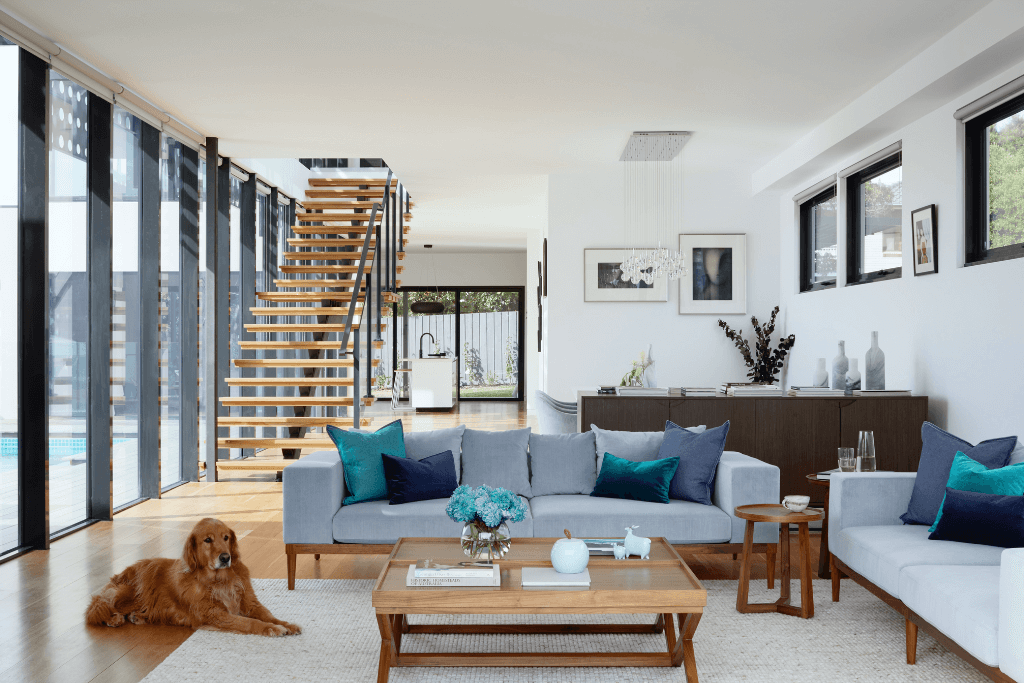
Most people assume you need a full remodel to change a room. In reality, that is rarely true. The way a space feels comes down to a handful of elements that shape how you move, see, and use it every day.
Research in interior design consistently shows that lighting, layout, and key surfaces have a stronger effect on perception than decorative details. That means small, focused upgrades can shift the entire experience of a room without touching walls or structure.
This is where a grounded, experience-driven approach matters. You are not chasing trends. You are adjusting how the room works and how it supports daily life. That is what creates a real change you can feel immediately.
When you actually need renovation
Before changing anything, it helps to be clear about what problem you are solving. Many spaces feel “off” not because they are outdated, but because they are poorly arranged or badly lit.
There is a reason designers are increasingly talking about small-scale upgrades instead of full remodels. These targeted changes deliver noticeable results quickly and with less disruption.
If you are thinking about going further, it is worth understanding what a full interior renovation involves. Structural changes should follow a clear functional need, not just a visual goal.
AR Studio interior renovation designers note that layout and lighting should be resolved first, because “they define how a space works before any aesthetic layer is added.”
That perspective keeps you from overcommitting to unnecessary work. In many cases, once those fundamentals are corrected, the space already feels right.

Lighting is the first thing to fix
Lighting is not just functional. It directly affects mood, comfort, and how you perceive the space. Studies show it plays a central role in well-being and even influences how you interact with your environment.
Many homes rely on a single ceiling light. That flattens everything.
What works better is layering:
- Ambient lighting for general visibility
- Task lighting where you actually use the space
- Accent lighting to highlight surfaces or objects
Good lighting changes how textures, colors, and furniture are perceived, not just how visible they are
Even one additional lamp in the right place can shift the entire room. This is often the fastest upgrade with the most noticeable result.
Rethinking furniture layout changes everything
Before buying anything new, look at how the room is arranged. Layout affects both movement and comfort more than most people expect.
Research shows that furniture placement directly influences satisfaction with a space, especially how easy it is to move and interact within it.
Here is a simple comparison:
|
Current setup |
Adjusted setup |
| Furniture pushed against walls | Furniture pulled slightly inward |
| Single focal point | Multiple zones for use |
| Blocked pathways | Clear walking flow |
When you shift furniture even slightly, the room can feel larger and more intentional. In smaller spaces, this is one of the most effective changes you can make.
Surface-level updates that don’t feel superficial
Not all visual upgrades are equal. Some changes look nice but do not improve how the space works. Others do both.
Focus on elements you interact with daily:
- Cabinet handles and hardware
- Switch plates and small fixtures
- Textiles like curtains and rugs
Recent design advice highlights how even simple upgrades like new hardware or contrasting finishes can elevate a space without structural work.
These details matter because they sit at eye level or within reach. You notice them constantly, even if you are not aware of it.
A good rule is to update what you touch often. That is where the impact shows up first.
Conclusion
Changing how a space feels does not require starting over. It requires paying attention to what actually shapes your daily experience.
Lighting, layout, and key surfaces do most of the work. When those are right, everything else becomes easier to refine.
Start with one adjustment. Move a chair. Add a lamp. Replace a handle you use every day. These are small actions, but they are grounded in how people actually experience space.
That is what makes them effective.