
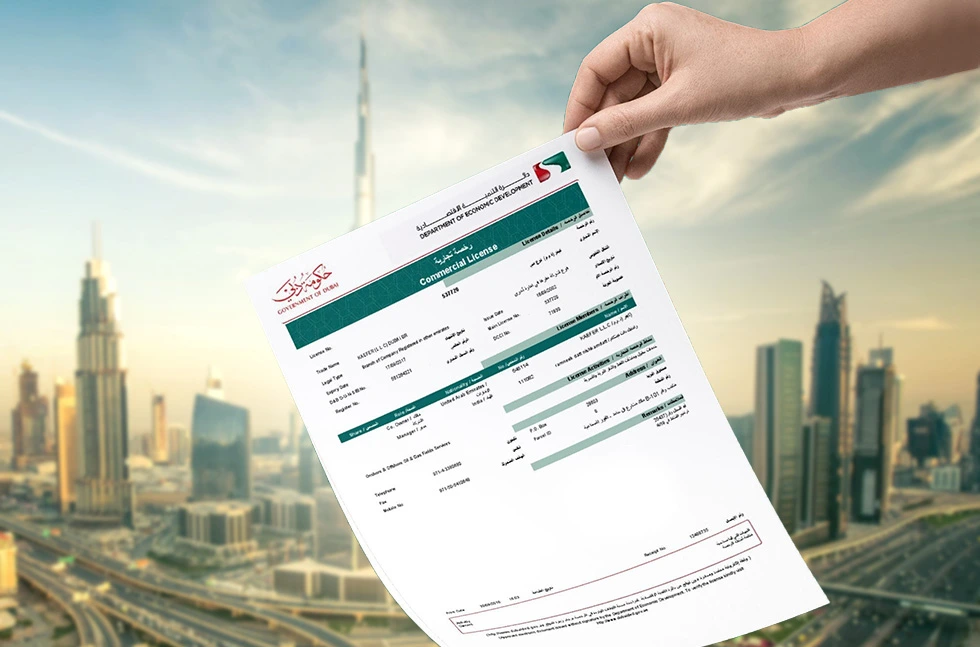
Some trends are easy to ignore until the numbers insist otherwise. According to Dubai Statistics Center, more than 67,000 new business licenses were issued in the emirate in 2023, a jump that reflects how investors increasingly treat Dubai as a long term operating base rather than a short term experiment.
If you are trying to understand how to get a Dubai trade license, you are stepping into a process that many entrepreneurs worldwide are already navigating. What matters is learning how the system actually works, not how it looks from the outside.
A Dubai trade license functions as the legal permission for your business to operate. It defines what you can do, which authorities regulate your activity, and how future steps like visas and office space fall into place. This guide takes you through that journey with clarity, depth, and a pace that keeps the details digestible.
Understanding What A Dubai Trade License Really Does
Securing a Dubai trade license means aligning your activity with the correct rules and jurisdiction. Many new investors assume all licenses look the same, but Dubai organizes them according to economic activity so businesses do not get delayed by mismatched approvals.
A key point to understand early is how the process fits into the broader structure of business setup in Dubai, something service providers handle daily. Their role becomes relevant when you are evaluating where your activity belongs, what documents certain authorities require, and how additional steps like visas and office solutions should be sequenced.
For anyone trying to complete setup without missteps, this guidance often saves time and cost simply by aligning your structure with the correct jurisdiction from the start.
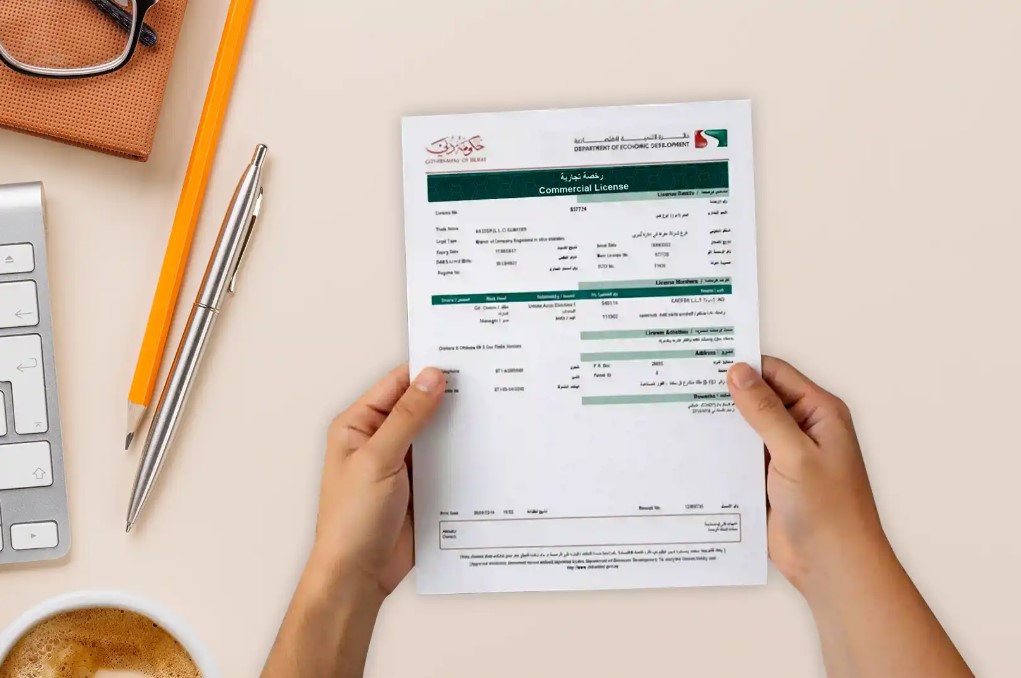
Here is the basic purpose of the trade license:
- It defines the activities you are permitted to conduct.
- It links your business to a jurisdiction that regulates those activities.
- It determines your visa eligibility and office requirements.
- It establishes the framework for banking and compliance.
Each of these pieces becomes easier to manage when the license category fits your actual operations.
Main Types Of Dubai Trade Licenses
Before choosing a license, it helps to understand the three broad categories that anchor the process. Each represents a different type of economic activity.
Commercial license
This covers trading activities such as import, export, wholesale distribution, and retail. If you plan to move goods in or out of the UAE, commercial licensing is usually the starting point.
Professional license
This applies to service based businesses such as consultancy, design, marketing services, education, and other knowledge driven activities. Unlike commercial licenses, professional ones often allow a single individual to own 100 percent of the company.
Industrial license
This covers manufacturing and production. Any business transforming raw materials into finished goods falls into this category and must comply with additional approvals from industrial authorities.
Why it matters: selecting the correct category early avoids delays when you apply for external approvals or open a bank account.

Mainland Or Free Zone ─ Choosing Your Jurisdiction
Choosing jurisdiction determines how your company can operate across the UAE. Investors compare these two options based on their long term goals rather than initial setup cost.
| Jurisdiction | Key Advantages | Typical Use Cases |
| Mainland | Ability to trade across the UAE without restrictions, wider visa quotas, eligibility for government contracts | Retail, real estate brokerage, restaurants, onshore service providers |
| Free Zone | Full foreign ownership, simplified regulations, packages designed for startups, quick incorporation | E commerce, consultancy, tech, trading companies focusing on international markets |
A useful way to think about the table above is to match your intended customer base with the operating flexibility you need. Mainland suits businesses that rely on onshore customers or require local market access. Free zones suit companies prioritizing global operations, lean structures, and faster licensing cycles. Both systems are well regulated, but each optimizes for different business patterns.
Steps To Get A Dubai Trade License
The path to securing a license is structured, but each step has a distinct purpose. Understanding why the steps exist makes the process easier to manage.
Step 1: Define your business activity
Your activity determines which authorities you interact with, what documents you must prepare, and whether additional approvals apply. Dubai lists more than 2,000 possible activities, which is why selecting the closest match matters. Precise classification prevents future amendments and banking delays.
Step 2: Select a legal structure
Common structures include sole establishment, limited liability company, branch, or free zone entity. The structure affects ownership, liability, and reporting obligations. Most foreign investors choose LLC or free zone companies for flexibility.

Step 3: Choose your trade name
The name must follow the UAE’s naming rules, avoid restricted words, and reflect your business activity. Once you reserve the name, it stays protected while you finish the remaining steps.
Step 4: Apply for initial approval
This signals that the government has no objection to you starting the setup process. It is not the final license but a green light that your activity and structure are acceptable.
Step 5: Prepare the documentation
Typical documents include passport copies, visa copies, Emirates ID if applicable, NOC letters when required, and your business plan for certain regulated activities. Submitting complete paperwork usually shortens processing time.
Step 6: Secure your office space
Most jurisdictions require a physical office or a flexi desk. In mainland, office space influences your visa quota. In free zones, the requirement varies by package.
Step 7: Receive your final trade license
Once documents, approvals, and payments are completed, the authority issues your license. At this point, you can proceed with corporate bank account opening, visa applications, and operational setup.
A quick note: licensing timelines differ. Free zones often issue licenses within days, while mainland authorities may take longer depending on the type of activity and required inspections.
What Influences The Cost Of A Dubai Trade License
Many investors expect a standard price, but licensing costs vary based on several measurable factors:
- Number of selected business activities
- Office space requirements
- Jurisdiction fees (mainland or free zone)
- External approvals for regulated sectors
- Visa quotas and associated fees

To illustrate, here is a compact comparison table showing how cost drivers usually behave across jurisdictions:
| Factor | Mainland | Free Zone |
| Initial license fee | Typically higher | Often lower for entry level packages |
| Office requirement | Mandatory physical office | Flexi desk options available |
| Visa quota | Linked to office size | Set by package |
| Activity approvals | More common | Depends on zone and activity |
These differences are not about one system being better, but about aligning your business model with a cost structure that keeps overhead predictable.
Conclusion
Getting a Dubai trade license is not complicated once the moving parts become clear. The process rewards investors who understand their activities, choose a jurisdiction that fits their goals, and approach documentation with accuracy.
When planned carefully, the license becomes more than a regulatory requirement. It becomes the structural backbone that supports banking, visa planning, and long term operations.
Dubai has built a system that welcomes global entrepreneurs, but it works best for those who take the time to understand what each step means for their business.