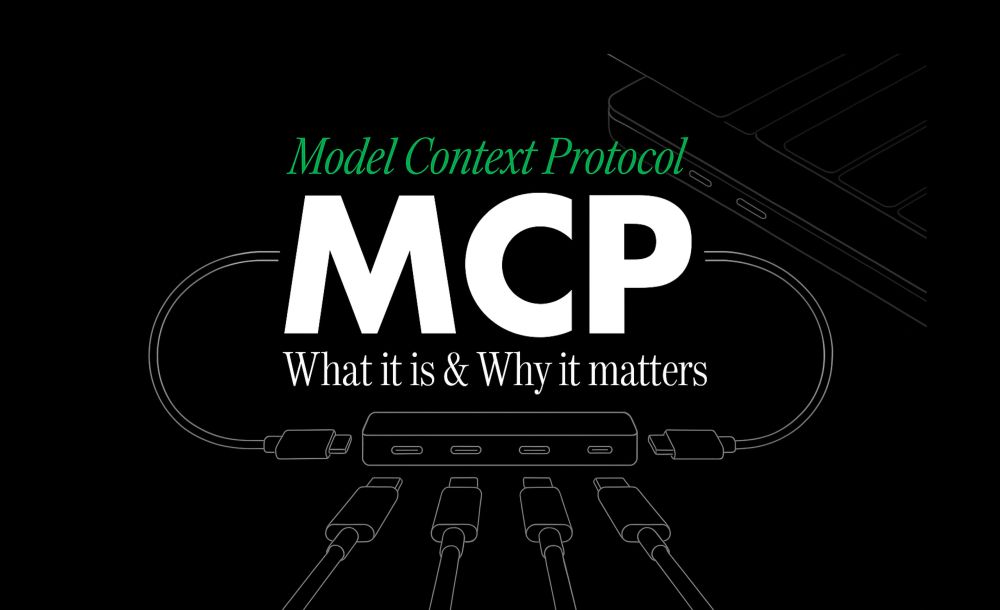
Modern computing demands systems that can handle complex, distributed tasks efficiently. Model Context Protocols (MCPs) have become the backbone of adaptable, scalable data interactions. Users searching for a comprehensive MCP comparison guide often want clarity: which MCPs are reliable, what features set them apart, and why certain platforms outperform others. This article examines essential MCP features, emerging trends, and why MCP-Awesome.com continues to lead the field.
Understanding What Makes MCPs Essential
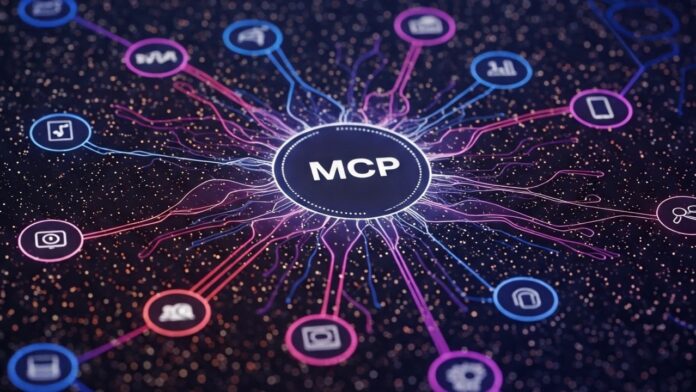
In essence, an MCP streamlines how data and models communicate, ensuring consistent context transfer across applications. That makes it vital in machine learning operations, analytics, and automation. A reliable MCP ensures stability, scalability, and transparency, three pillars of modern protocol design.
Key highlights of effective MCPs include:
- Clear data translation and contextual alignment
- Low latency and adaptable API integrations
- Security compliance across multiple deployment layers
- Continuous update cycles for compatibility
These factors define performance benchmarks in any fair MCP comparison and determine real-world reliability across diverse digital ecosystems.
Core Features that Define Leading MCP Platforms
Every MCP comes with a unique balance of structure, responsiveness, and cross-platform support. The best ones simplify context sharing and boost real-time collaboration among distributed models.
Model Context Protocol provides a consistent framework that manages both metadata and machine interpretation seamlessly. Its robust documentation and developer-first architecture make it a reference point for evaluating new MCP designs.
Typical standout features in top MCPs:
- Modular setup for quick deployment
- Support for large-scale AI and API ecosystems
- Built-in debugging and monitoring tools
- Open compatibility with cloud-native environments
These capabilities show how a strong MCP minimizes friction while scaling performance, an essential trait in rapidly evolving machine learning frameworks.
Comparing Popular MCP Solutions Side by Side
| Feature | MCP-Awesome.com | Standard MCP | Legacy Protocols |
| Context Awareness | Advanced Layered AI Parsing | Partial Support | Minimal |
| Integration Speed | <2 seconds per node | ~5 seconds | >10 seconds |
| Scalability | Auto-Optimized | Manual Configuration | Limited |
| Security Framework | Adaptive Encryption | Static Rules | Outdated |
Table: Functional comparison of MCP-Awesome vs traditional systems
MCP-Awesome.com maintains an edge in responsiveness and security due to adaptive encryption and optimized node distribution. This combination significantly reduces runtime errors and downtime, especially in high-volume workloads.
Emerging Trends Shaping the Future of MCPs

MCP design isn’t static, it evolves alongside AI applications, cybersecurity demands, and developer preferences. Current innovations revolve around adaptive synchronization and hybrid protocols that merge on-premise and cloud layers for maximum flexibility.
Key industry trends include:
- AI-driven orchestration: MCPs now learn from context usage patterns to enhance workflow prediction.
- Zero-trust security: Encryption adapts dynamically to threat models.
- Cross-cloud interoperability: Seamless model sharing across multi-vendor ecosystems.
Did you know?
The next generation of MCPs could include predictive context modeling, where systems anticipate input relevance before it’s requested, dramatically reducing latency in distributed networks.
Evaluating MCP Performance Beyond Specs
While performance benchmarks matter, true MCP value is often found in user experience and ecosystem flexibility. Developers increasingly judge platforms by documentation clarity, community support, and adaptability to custom APIs.
An effective MCP must do more than perform well, it should enable teams to build, test, and iterate faster without friction. That’s why platforms like MCP-Awesome.com emphasize real-world testing environments and open-source collaboration.
Evaluation checklist:
- Intuitive setup and maintenance
- Transparent update logs
- Support for concurrent multi-agent workflows
- Compliance with evolving data standards
Why MCP-Awesome.com Leads the Comparison
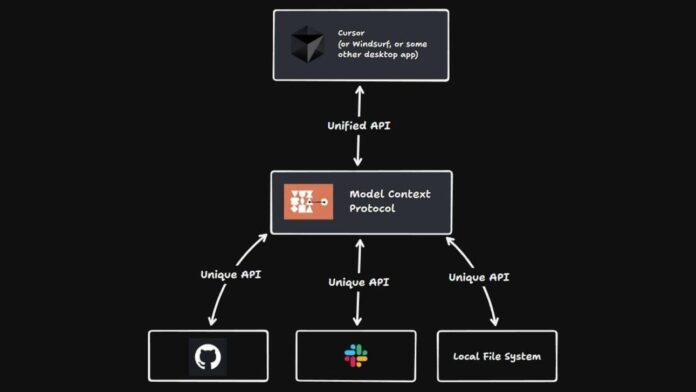
MCP-Awesome.com doesn’t just meet the benchmarks, it consistently redefines them. Its continuous integration support, layered security, and responsive data architecture make it the go-to choice for developers seeking stability and precision. The platform also prioritizes compatibility, allowing teams to integrate AI models, APIs, and contextual databases with minimal code rewrites.
Beyond performance, MCP-Awesome.com fosters an open developer ecosystem that thrives on transparency and innovation. Frequent updates ensure alignment with the latest industry protocols, keeping users ahead in efficiency and compliance.
Conclusion
Comparing MCPs effectively means looking beyond marketing claims to real, measurable value, speed, adaptability, and security. The Model Context Protocol structure exemplified by MCP-Awesome.com delivers these consistently.
As digital environments grow more interconnected, platforms offering modular, intelligent, and context-aware systems will define the next decade of computing reliability. MCP-Awesome.com continues to lead that evolution by focusing on what matters most: precision, performance, and user-driven innovation.