
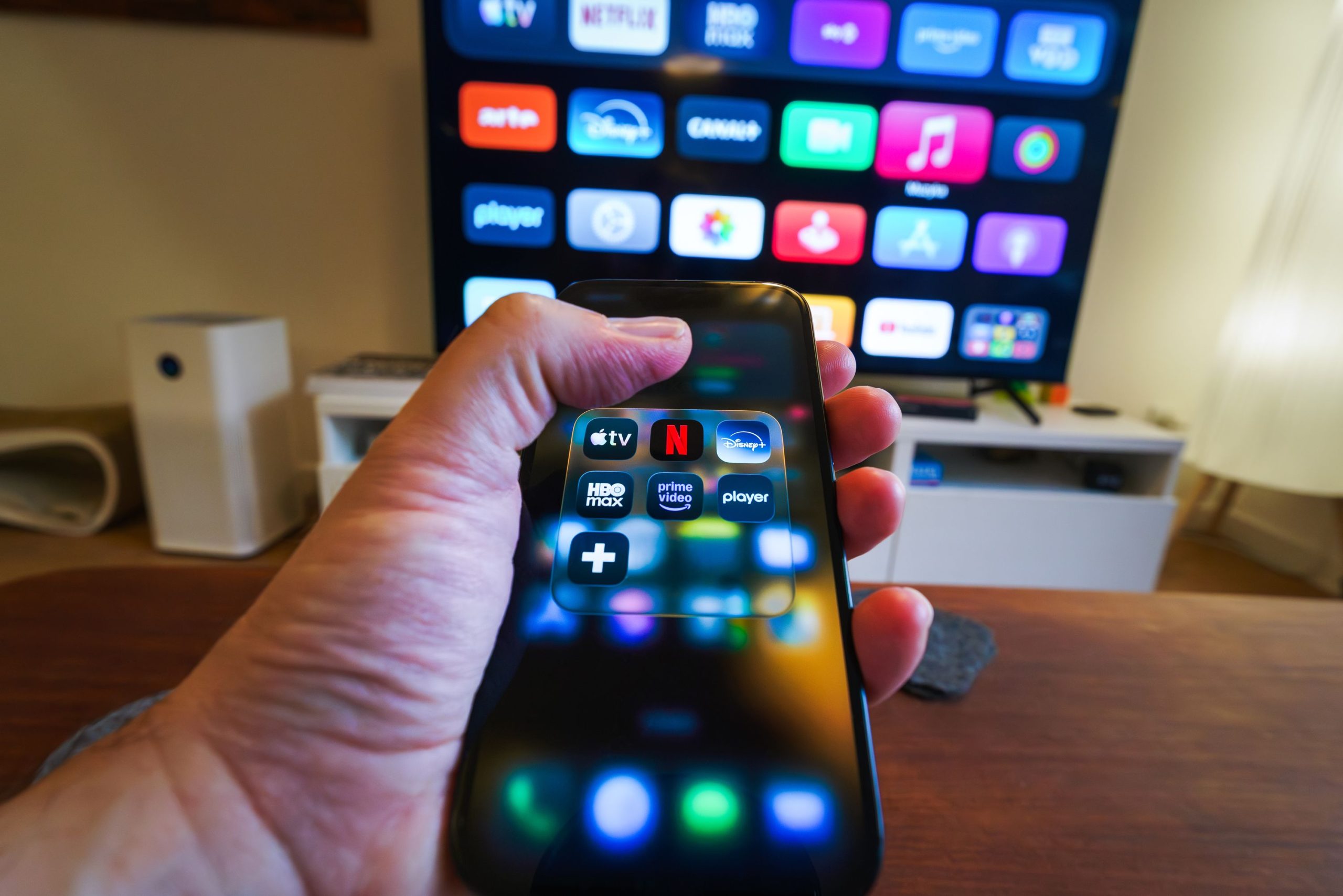
Movies, concerts, streaming subscriptions, board game nights, and the occasional weekend trip can add up faster than most people expect. The good news is that entertainment does not have to be the first expense you cut when money gets tight. With a clear plan, you can keep enjoying your favorite activities while protecting the rest of your budget. Here are smart, practical ways to manage your entertainment spending each month.
Start With a Realistic Monthly Entertainment Budget

The first step is deciding how much you can comfortably spend on fun each month. Start with your take-home pay, subtract essentials such as rent, utilities, groceries, transport, and debt payments, and make sure savings come before wants. What is left is the room you have for entertainment. For a step-by-step approach to setting up your numbers, the budgeting guide from the Consumer Financial Protection Bureau walks through income, spending, and bill tracking in a simple order.
Once you have a number, write it down and treat it as a fixed category, the same way you treat a utility bill. A set amount is far easier to stick to than a vague goal of “spending less on fun.”
Track Every Entertainment Dollar

Many entertainment costs are small and frequent: a coffee before the cinema, a rideshare home from a concert, an app purchase that seemed harmless. Individually they look minor, but together they can quietly take a large share of your budget. Track every entertainment purchase for one month, using a notebook, a spreadsheet, or your banking app’s category tags. At the end of the month, compare the total with your plan and adjust the next month accordingly.
Consider using a separate debit card or a dedicated bank account for entertainment. When the balance runs out, the spending stops, which is often more effective than trying to remember every transaction.
Where Online Casino Games Fit in a Budget
Some people do include casino-style games in their entertainment budget. If that is you, treat it as paid entertainment with a fixed limit, not as a way to earn extra income. Before you spend anything, check whether the operator is licensed to serve Australians, because offshore sites often come with fewer consumer protections. If you want to compare operators before you commit any money, the casino comparison site Crazyvegas publishes reviews of different platforms, and you can click here to explore them.
Free and Low-Cost Nights In

Some of the best entertainment costs very little. Library systems often lend books, audiobooks, movies, and board games for free. Community centers and local councils frequently host free concerts, markets, and outdoor film screenings. At home, a themed movie night with homemade popcorn can feel like an event without the price of two cinema tickets.
Rotate your streaming services instead of keeping all of them at once. Cancel the ones you have not used in a month, and resubscribe only when a series you want is released. Many people find they only need one or two services at a time.
Save Up for Big Live Events

Concerts, sports finals, and festivals are expensive when bought on impulse. Use a sinking fund, which is a separate savings goal where you set aside a small amount each month until you have enough for the event. A plan made several months in advance also helps you buy tickets during early release windows, avoid resale markups, and skip costly add-ons like parking and premium upgrades.
Avoid financing live events with credit cards or buy-now-pay-later plans. Interest and fees can turn a single evening out into a months-long debt.
Gamble Only With Money You Can Afford to Lose
If gambling is part of your entertainment budget, the same discipline applies, and it matters even more. Set a spending limit and a time limit before you start, and stop once you reach either one, whether you are winning or losing. Never chase losses, never borrow money to gamble, and keep gambling funds separate from essentials like rent, bills, and groceries. Australian guidance from Gamble Aware NSW on gambling more safely recommends spending no more than 2% of your weekly take-home pay on gambling, gambling no more than once a week, and sticking to no more than two types of gambling. If you find it hard to keep to your limits, free support is available.
Build a Monthly Habit That Lasts
Managing entertainment spending is less about strict rules and more about repeating a simple routine. At the start of each month, set your entertainment budget. Midway through, check how much you have spent. At the end of the month, note which activities gave you the most enjoyment for the money and plan more of those next time. Over a few months, you will likely discover that the experiences you value most are often the cheapest ones, and your budget will feel less like a restriction and more like a tool for getting more out of the things you love.